Webinaires & e-learning Tous les webinaires

Approach to the pruritic dog

Approach to the pruritic dog

Intervenant(e):

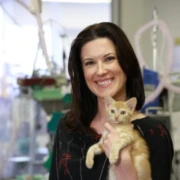
Philippa_Ravens_Image.jpg

Philippa Ravens

DVM, BSC, BVSC, MVS, MANZCVS, FANZCVS (VETERINARY DERMATOLOGY)

Dr Philippa Ravens graduated with a Bachelor of Veterinary Science from the University of Sydney in 2004. She worked in small animal general practice for 5 years before accepting a residency position in Veterinary Dermatology at the University of Sydney in 2009. She became a member of the Australian College of Veterinary Scientists in Canine and Feline Medicine and completed a Masters degree in Veterinary Clinical Studies through Murdoch University in 2011. She was awarded a fellowship in Veterinary Dermatology through the Australian College in 2016. She is currently employed at the Small Animal Specialist Hospital (SASH) at their North Ryde and Tuggerah clinics as a Dermatology Specialist.

Informations de réservation

Durée: 0:46 h
Intervenant(e): Philippa Ravens
à partir de 1
54,90 US$
(TTC)

Vous pourriez aussi être intéressé(e) par

3476 300x200 (1).png
01.12.2026 (UTC)
09:00 - 10:00 (UTC)

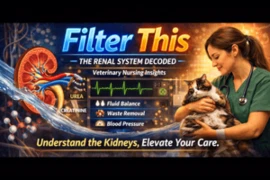
Filter This - The Renal System Decoded for Vet Nurses

A clear, practical understanding of kidney anatomy and physiology revealing how these vital organs filter, balance, and protect the body which are essential for everyday patient care with Melissa Shoard.
25_08_20_Mitral valve repair surgery- what is important to know from a primary care standpoint?_300x200.png
Poppy Bristow
1:00 h

Mitral valve repair surgery: what is important to know from a primary care standpoint?

This webinar is presented by Dr Poppy Bristow and will outline patient selection for mitral valve repair surgery for degenerative disease, what the surgery involves, after care and results.
03.03.26 Image 300x200 (1).jpg
Emma Holder
0:49 h

Running on empty - Nursing care for the anaemic patient

In this session Emma Holder will focus on the comprehensive management of anaemic patients, including early detection, appropriate nursing care, and pharmacological treatment strategies