Webinaires & e-learning Tous les webinaires

Intervertebral Disc Herniation

Intervertebral Disc Herniation

Intervenant(e):

Paige Taylor_200x200.jpg

Paige Taylor

RVN

I started my career 10 years as a wildlife and shelter nurse before moving into specialty as a surgery nurse at Brisbane Veterinary Specialist Centre 5 years ago. I have been Primary Surgery Nurse at BVSC for the last 2 years and love all things anesthesia but have a keen interest in cat anesthesia and neurosurgery, especially brains. I have nursed many a spinal patient through surgery and recovery and love watching their progress.  When I am not at work, I am at the beach with my moodle Riley or on the couch with my DSH Lucy, Norwegian Forest Cat Lilly and Bourkes parrot Frenchie geeking out over Batman comics and anesthesia webinars. 

Informations de réservation

Durée: 0:36 h
Intervenant(e): Paige Taylor
à partir de 1
57,60 US$
(TTC)

Vous pourriez aussi être intéressé(e) par

RATO-300x200 (1).jpg
26.11.2026 (UTC)
19:00 - 20:00 (UTC)

RATO - Rovesti Abduction Trochanteric Osteotomy - Rationale and early clinical results

Early canine hip dysplasia where joint laxity alone causes femoral head subluxation: a more localised alternative to DPO/TPO. Rationale and early results of RATO, with Gian Luca Rovesti


Image 10.02 (1).jpg
10.02.2027 (UTC)
09:00 - 10:00 (UTC)

An Introduction to Psychopharmacology

An overview with Dr Katrin Jahn of veterinary psychopharmacology and its role in improving animal welfare through integration into veterinary behaviour treatment plans.


EN_27_01_13_EN_27_01_13_Reading thoracic radiographs of the dog and cat_300x200.png
13.01.2027 (UTC)
19:00 - 20:00 (UTC)

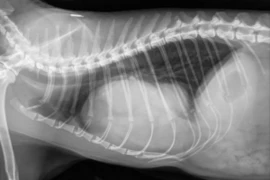
Reading thoracic radiographs of the dog and cat: how to go about?

In this webinar, Pete Mantis provides a practical, structured approach to interpreting canine and feline thoracic radiographs with greater confidence. Learn a systematic reading technique, review normal thoracic anatomy, and gain practical rules of thumb to identify abnormalities and avoid missing important findings.