Webinaires & e-learning Tous les webinaires

Total Intravenous Anaesthesia - Where are we

Total Intravenous Anaesthesia - Where are we

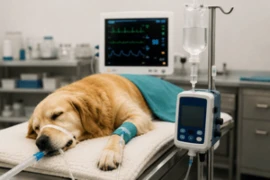
Total intravenous anaesthesia consists of providing general anaesthesia using only intravenous-based agents. Those differ with species and the cost. While in equine patients, ketamine-based anaesthesia is most common, propofol and, more recently, alfaxalone have taken the lead in small animals. To minimise the quantity of agents used and associated side effects, as for the inhalants, balanced anaesthesia is essential and analgesic agents and muscle relaxants are added as required. Different administration methods have been developed since the use of intravenous agents, going from the simple bolus injection and the constant rate infusion to the more complicated pharmacokinetically-based and computer-driven target-controlled infusion system.

Recorded 30 July 2026

Intervenant(e):

Thierry.jpg

Thierry Beths

Informations de réservation

Durée: 0:45 h
Intervenant(e): Thierry Beths
à partir de 1
57,60 US$
(TTC)

Vous pourriez aussi être intéressé(e) par

E_26_09_09_Beyond_the_Belly_Gastrointestinal_Ultrasound_in_Dogs_and_Cats_image_300x200.png
Thorsten Rick
0:59 h

Beyond the Belly: Gastrointestinal Ultrasound in Dogs and Cats

Explore practical GI ultrasound in dogs and cats, from normal anatomy to challenging pathological findings with Dr. Thorsten Rick.
RATO image 300x200.jpg
26.11.2026 (UTC)
19:00 - 20:00 (UTC)

RATO - Rovesti Abduction Trochanteric Osteotomy - Rationale and early clinical results

Early canine hip dysplasia where joint laxity alone causes femoral head subluxation: a more localised alternative to DPO/TPO. Rationale and early results of RATO, with Gian Luca Rovesti


EN_27_01_13_EN_27_01_13_Reading thoracic radiographs of the dog and cat_300x200.png
13.01.2027 (UTC)
19:00 - 20:00 (UTC)

Reading thoracic radiographs of the dog and cat: how to go about?

In this webinar, Pete Mantis provides a practical, structured approach to interpreting canine and feline thoracic radiographs with greater confidence. Learn a systematic reading technique, review normal thoracic anatomy, and gain practical rules of thumb to identify abnormalities and avoid missing important findings.