The relevance of diagnostic anaesthesia for orthopaedic evaluation of the horse will be described, as well as common pitfalls and difficulties arising from this measure. Techniques will be shown, and discussed.
Aufnahme vom 26.06.2018
Sprache: Englisch
Nutzen Sie die Möglichkeit und sehen Sie sich die Aufzeichnung des Webinars an.
Referent:In
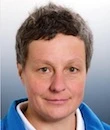
Theresia Licka
Ao.Univ.-Prof. Dr. Theresia Licka, MRCVS, DACVSMR
After graduating from Vetmed Uni Vienna in 1992 and receiving her doctoral degree in 1996 Dr. Licka worked in general practice for a year before returning to the University as assistant at the Clinic for Orthopaedics in Ungulates. From 1999 to 2002 she was Lecturer in Equine Orthopaedics at the Royal Dick School of Veterinary Studies, University of Edinburgh, Scotland UK and again returned to the Vetmed Uni Vienna, this time as Assistant Professor in Equine Orthopaedics, where she did a postdoctoral degree (Habilitation) in Ungulates in 2006.
Once again she joined the Royal Dick School of Veterinary Studies and there became Senior Lecturer in Equine Orthopaedics from 2007 to 2009. Since then she is Associated Professor in Equine Orthopaedics at the University of Veterinary Medicine in Vienna, as well as Honorary Fellow at the Royal Dick School.
In 2015 Dr. Licka became Diplomate of the American College of Veterinary Sports Medicine and Rehabilitation (Equine).
She has authored numerous publications and is reviewer for a number of international Journals, as well as speaker at national and international conferences and congresses.
Once again she joined the Royal Dick School of Veterinary Studies and there became Senior Lecturer in Equine Orthopaedics from 2007 to 2009. Since then she is Associated Professor in Equine Orthopaedics at the University of Veterinary Medicine in Vienna, as well as Honorary Fellow at the Royal Dick School.
In 2015 Dr. Licka became Diplomate of the American College of Veterinary Sports Medicine and Rehabilitation (Equine).
She has authored numerous publications and is reviewer for a number of international Journals, as well as speaker at national and international conferences and congresses.
Buchungsinfo
Dauer:
0:51 h
Referent:In
Theresia Licka
ab 1
54,90 US$
(inkl. USt.)