Referent:In
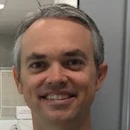
Mark Haworth
DMV, BVSc (Hons), MVMS, DipACVECC
Mark graduated with first class honours in 2004 from the University of Queensland. He went on to complete a rotating internship at Queensland Veterinary Specialists in 2005. Having a passion for emergency and critical care, he undertook a position at Murdoch University in Perth. He was awarded membership in this field in 2008 with the Australian College of Veterinary Scientists and commenced a residency in emergency and critical care in 2009 also at Murdoch University. He became board certified with the American College of Veterinary Emergency and Critical Care in 2012. He obtained a Masters in Veterinary Medical Science in 2014. Mark has now undertaken a position at the University of Queensland to continue his passion for high quality emergency and critical care and teaching. He is excited to be directly contributing to the development of this field at the University of Queensland. His interests include cardiopulmonary resuscitation, toxicology, fluid therapy, and electrolyte derangements.
Buchungsinfo
Dauer:
0:50 h
Referent:In
Mark Haworth
ab 1
57,60 US$
(inkl. USt.)