Webinare & E-Learning Kurse Fortgeschritten Alle Webinare

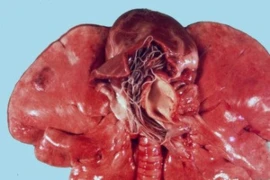
Heartworm Disease in Australia – The Current Situation and Future Concerns

Heartworm Disease in Australia – The Current Situation and Future Concerns

Referent:In

Peter Irwin.jpg

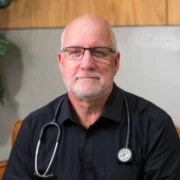
Peter Irwin

BVetMed, PhD, FANZCVS, MRCVS

Peter graduated in veterinary science from the Royal Veterinary College, London University in 1982 and has a PhD from James Cook University (1991) for studies into canine babesiosis in Australia. Peter has worked in academia in Australia and overseas for more than 30 years as a teacher of companion animal medicine and as a researcher in the fields of veterinary parasitology and medical microbiology. He is an internationally recognized expert in vector-borne diseases. His current research concerns tick-borne infections of companion animals, wildlife and humans in Australia. Peter is appointed Professor Emeritus at Murdoch University and currently lives in Sunshine Coast, SE Queensland, where he works part time at a specialist hospital.

Buchungsinfo

Dauer: 1:03 h
Referent:In Peter Irwin
ab 1
54,90 US$
(inkl. USt.)

Das könnte Sie auch interessieren

tooth extraction_300x200.png
Sam Luis Hole
0:33 h

How to perform tooth extractions – technique and case selection

This lecture by Sam Luis Hole will cover an overview of the current extraction options for equine cheek teeth extraction and how to work through the options and the considerations and complications associated with each option.
a8d6d600_problem-300x200-1 (1).webp
Cat Walker
1:02 h

Conflict is a Dish Best Served Cold

Most people associate conflict with stress, anger, and anxiety, when it is actually a normal process that is neither good nor bad. Presented by Cat Walker 
D_26_06_23_Elektrolytveränderungen_im_Notfall_Titelbild_300x200.jpg
23.06.2026 (UTC)
18:00 - 19:00 (UTC)

Elektrolytveränderungen im Notfall

In diesem Webinar diskutiert Dr.med.vet. Nadja Sigrist die Beurteilung und das Management von Elektrolytveränderungen bei Hunden und Katzen im Notfall.