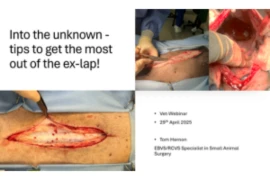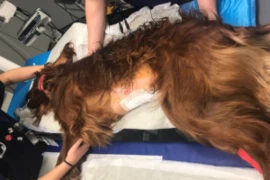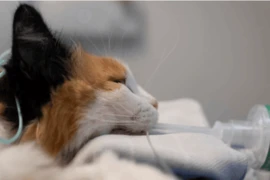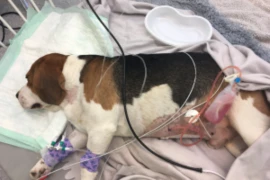
Canine and feline septic peritonitis is where physiology, surgery, and time pressure collide. This webinar takes you from the moment you suspect a gut leak to the postoperative decisions that determine survival. Using real cases and clear outcome measures, we’ll align evidence with what actually works in practice: when to explore vs stabilise, achieving source control without escalating surgical stress, and how to support the body’s own healing during the perioperative period.
What you’ll learn:
- A stepwise approach to diagnosis and triage (what matters in the first hours).
- Operate now or later? Decision points for exploratory laparotomy and damage-control surgery.
- Source control essentials: gastric/intestinal repair, resection–anastomosis, and contamination management.
- Drains, lavage, or open abdomen: when they help—and when they hurt.
- Postperative monitoring, nutrition, and preventing common complications.
Language: English
more Information how online webinars work
An application for CE points was submitted to the ATF and the ÖTK.
Referent:In
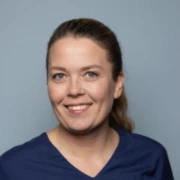
Elena Regine Moldal
Associate Professor, BVM&S, PhD, DipECVS, EBVS® Europen Specialist in Small Animal Surgery
Elena Regine Moldal graduated from the Royal (Dick) School of Veterinary Studies, University of Edinburgh, and began her career in general small animal practice. She completed a PhD in small animal surgery at the University of Copenhagen, followed by a surgical residency at the Swedish University of Agricultural Sciences (SLU). A Diplomate of the European College of Veterinary Surgeons (ECVS), she now combines clinical practice with a research role at the Norwegian University of Life Sciences (NMBU), drawing on long-standing surgical experience.
Her work integrates the operating theatre and the laboratory, with a central focus on the biology of surgical stress and on strategies to support the body’s endogenous healing before, during, and after surgery—as well as through non-surgical pathways. She leads research into cranial cruciate ligament disease (CCLD) and supervises PhD fellows and surgical trainees. Clinically, she maintains a broad caseload across orthopaedic, soft tissue, neurosurgical, and emergency procedures, and is committed to evidence-based, low-stress surgical care that improves recovery and outcomes
Her work integrates the operating theatre and the laboratory, with a central focus on the biology of surgical stress and on strategies to support the body’s endogenous healing before, during, and after surgery—as well as through non-surgical pathways. She leads research into cranial cruciate ligament disease (CCLD) and supervises PhD fellows and surgical trainees. Clinically, she maintains a broad caseload across orthopaedic, soft tissue, neurosurgical, and emergency procedures, and is committed to evidence-based, low-stress surgical care that improves recovery and outcomes
Buchungsinfo
Datum
02.06.2026 (UTC)
Uhrzeit
18:00 -
19:00 (UTC)
Referent:In
Elena Regine Moldal
ab 1
54,90 US$
(inkl. USt.)