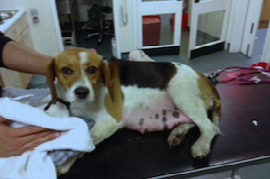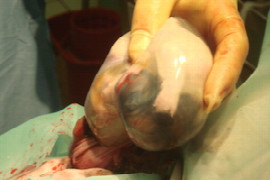
Obesity is currently one of the greatest health and welfare problems affecting domestic dogs and cats worldwide. Its impact extends beyond general health, directly influencing reproductive performance in both males and females. Obesity has been associated with reduced fertility, decreased litter sizes, and compromised survival of puppies and kittens.
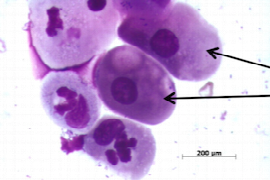
Excess adipose tissue interferes with normal reproductive function by impairing ovulation, disrupting hormonal balance, and contributing to systemic inflammation and oxidative stress. These changes negatively affect gamete quality, conception rates, and overall reproductive outcomes.
In this webinar, we will explore the mechanisms by which obesity affects fertility in dogs and cats, review current evidence, and discuss the clinical implications for veterinary practitioners.
Recorded 7 May 2026
Referent:In

Nadine Apteker
DVM
After one year of rotating clinical work in the subfield of reproductive medicine in small animals, equine and farm animals, she was accepted into a PhD programme as well as a residency programme by the European College of Animal Reproduction. In 2016 she completed successfully both her PhD and residency and attained her Diploma as veterinary specialist in animal reproduction.
Nadine moved to South Africa in 2017 where she started working for the Cape Animal Fertility Clinic, focusing on equine and canine reproduction. She is passionate about sharing and exchanging knowledge and is actively involved with local welfare organizations and volunteer sterilization programmes.