
Webinare & E-Learning Kurse Expertenwissen Alle Webinare

Understanding exotic species blood sampling, parameters and complications

Understanding exotic species blood sampling, parameters and complications

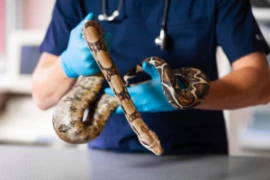
The presentation of unfamiliar species can be daunting, especially when faced with the prospect of taking a blood sample and analysing the results. In this webinar, we will look at venous access sites for the commonly seen exotic species in general practice and analysis of the sample retrieved. Topics will include the fundamental differences to be aware of when analysing exotic species blood samples, common issues you may encounter when sampling, the creation of diagnostic quality blood smears, and top tips for gaining good results.
This session will focus on empowering the RVN to be the advocate for the lesser familiar species, and share the knowledge gained with the wider veterinary team, to improve exotic animal care.

In accordance with the continuing education regulations for veterinary nurses, this webinar is accredited with 1 continuing education hour and is recognized by the Swiss Association of Veterinary Assistants (VSTPA) and the Swiss Society of Veterinarians (GST) as continuing education for veterinary nurses.
 
The recognition of continuing education hours is granted on the condition of successful completion of the knowledge assessment within the specified period and is valid from:
24.09.2026-24.09.2027

Referent:In

E_26_09_17_Understanding exotic species blood sampling, parameters and complications_Speaker_200x200.png

Hayley Ayers

Cert AVN Cert VN ECC APVNES RVN

Hayley is a Registered Veterinary Nurse from the UK, with a wealth of experience in a variety of species. She graduated from the Royal Veterinary College in 2014 and has since gained advanced qualifications in emergency critical care and exotics and has achieved Advanced Veterinary Nursing status (Cert AVN) in advanced Veterinary Nursing of Exotic, zoo and wildlife species. 

She has worked in Australia and South east Asia with both native and non-native species, in addition to her work with zoological collections, universities and private practices in the UK. She currently works for a large wildlife centre in the UK, alongside undertaking locum work in a variety
of referral and first opinion veterinary hospitals. She thoroughly enjoys teaching and inspiring the next
generation of Vets and Veterinary Nurses.
Buchungsinfo

Dauer: 0:55 h
Referent:In Hayley Ayers
ab 1
57,60 US$
(inkl. USt.)

Das könnte Sie auch interessieren

EN_27_01_13_EN_27_01_13_Reading thoracic radiographs of the dog and cat_300x200.png
13.01.2027 (UTC)
19:00 - 20:00 (UTC)

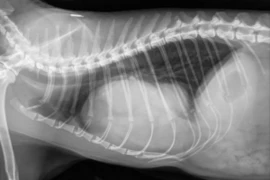
Reading thoracic radiographs of the dog and cat: how to go about?

In this webinar, Pete Mantis provides a practical, structured approach to interpreting canine and feline thoracic radiographs with greater confidence. Learn a systematic reading technique, review normal thoracic anatomy, and gain practical rules of thumb to identify abnormalities and avoid missing important findings.
Kona 300x200.jpg
11.11.2026 (UTC)
09:00 - 10:00 (UTC)

An Update on Cognitive Dysfunction in Dogs

This lecture with Claudia Richter provides an overview of the recently published guidelines for the diagnosis and monitoring of canine cognitive dysfunction syndrome
RATO image 300x200.jpg
26.11.2026 (UTC)
19:00 - 20:00 (UTC)

RATO - Rovesti Abduction Trochanteric Osteotomy - Rationale and early clinical results

Early canine hip dysplasia where joint laxity alone causes femoral head subluxation: a more localised alternative to DPO/TPO. Rationale and early results of RATO, with Gian Luca Rovesti