Webinars & e-learning courses All webinars

Approach to problematic corneal ulcers

Approach to problematic corneal ulcers

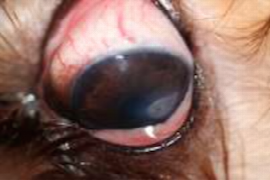
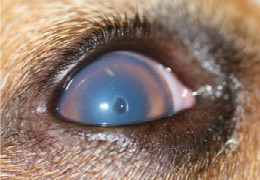
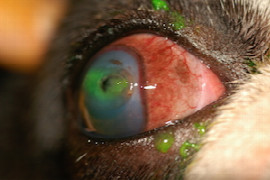
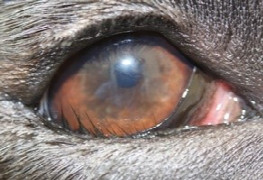
To the practitioner there are two types of corneal ulcer - the uncomplicated and the complicated. Recognising negative healing factors and developing a logical approach to managing corneal ulcers will accelerate healing times, reduce visual impairment and increase client satisfaction. The aim of this talk is to simplify how we view corneal ulcers and to develop patient specific 'road maps' to ensure that we achieve the best clinical outcomes possible.

Language: English

In case you have missed this webinar, you have the opportunity to watch a recorded version here.

Speaker:
Brian_copy.jpeg
Brian_Patterson_133x133.jpeg

Brian Patterson

Brian Patterson BVM&S Cert VOphthal MRCVS

Brian graduated from Edinburgh University in 1996. After completing a two year hospital internship, he took up a 3 year ophthalmology based residency at the Weipers Centre, University of Glasgow, and whilst there was awarded the RCVS certificate in ophthalmology in 2002. For the last ten years he has worked as a veterinary ophthalmologist in the south west of England and is clinical director of the ophthalmolgoy service at Vale Referrals. As a full time clinician, Brian has been also been involved in teaching ophthalmology at the University of Bristol (2010-2012) and has lectured both nationally and internationally. Clinically, his particular areas of interest are cataract surgery and emergency eye care.

Booking information

Duration: 1:03 h
Speaker: Brian Patterson
from 1
54.90 US$
(incl. tax)
You might also be interested in

issues-with-eyelids-for-nurses.jpeg
Sally Turner
1:05 h

Issues with eyelids

Diseases affecting the eyelids are frequently encountered in small animal practice, affecting both dogs and cats. We will briefly consider the anatomy and function of the eyelids before looking in more detail at medical and surgical conditions. With the former it is important to remember that eyelid disease can sometimes be part of a generalised condition – such as atopy, or can be secondary to another eye disease – blepharitis as an extension from a bacterial conjunctivitis for example. Conditions such as entropion and ectropion might require surgical correction and we will see examples of these with tips for how to achieve the best outcome for the patient – the aim is always to restore normal function with minimal scarring. A correct diagnosis and meticulous attention to detail is required to attain this. Other common conditions such as eyelid tumours and distichiasis will be mentioned, and we will finish up with a few complications - and how to avoid them!
-35.png
Sally Turner
1:03 h

Ocular emergencies

In this webinar we will discuss the commonly presented emergencies such as ocular injuries, lens lunation, glaucoma, sudden onset blindness and proptosis. Sally will lead you through these and other issues, so that by the end of the lecture you will be confident in knowing how to manage the most frequently encountered ocular emergencies.
good-and-bad-eye-ulcers-when-to-worry.jpeg
Anu O'Reilly
1:21 h

Good and Bad Eye Ulcers - When to Worry?

A corneal ulcer is an inflammatory condition of the cornea in-volving loss of its outer layer. In veterinary medicine, the term corneal ulcer is a generic name for any condition involving the loss of the outer layer of the cornea, and as such is used to describe conditions with both inflammatory and traumatic causes. Corneal ulcers are one of the most common eye dis-eases in dogs. They are caused by trauma, detergent burns, and infections.