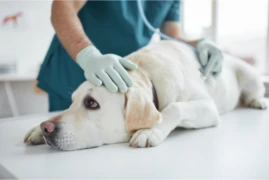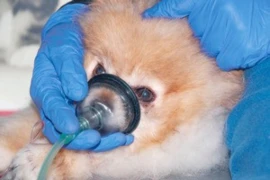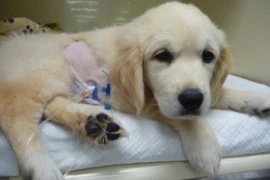
The ECC patients are not always able to display signs of pain, as their demeanour is altered, making it difficult to assess and treat pain. Sometimes the animal will come in screaming in pain and trying to bite – but this is not always the case. As great members of the ECC team, it is important to recognise and treat pain as we see it. All analgesics have side effects, so covered will be some of the major drugs, what the side effects are and see how they can be limited, avoided, or treated as required. Also covered, will be the monitoring that is required to ensure that your patient is always kept comfortable, as this is just as important, as administering the analgesics.
Learning outcomes:
• Pain pathway
• Pharmacology of common analgesia drugs
• Pain scoring and why it is so important to patients
• Altering analgesics for what the patient requires
The Australian Veterinary Nurse and Technician (AVNAT) Regulatory Council has allocated (1) AVNAT CPD point to this continuing education activity.
Recorded 7 May 2024
Speaker:

Anita Parkin
Anita Parkin RVN, AVN, Dip (Surgery & ECC), VTS (Anesthesia & Analgesia), CVPP, TAE
Anita has been a veterinary nurse for over 30 years. Working in a general practice for the first 10 years and joining Veterinary Specialist Services (VSS) in 2001. In 2017, VSS opened their 3rd practice to which Anita currently manages.
Anita has kept her Australian qualifications current including her Certificate IV in Vet Nursing, Diploma in Surgery and ECC, and is an Accredited Vet Nurse and a Registered Vet Nurse through the Veterinary Nurses Council of Australia (VNCA).
Anita’s overseas qualifications include obtaining a Certified Veterinary Pain Practitioner (CVPP) in 2012 through the IVAPM (International Veterinary Academy of Pain Management) and Veterinary Technician Specialty in Anaesthesia and Analgesia in 2009 recertified 2015 and 2019 through the Academy of Veterinary Technicians in Anesthesia and Analgesia (AVTAA). She is also the proud recipient of the Steve Haskin’s scholarship award in 2018, and the Vet Nurse of the Year through the VNCA 2022 and the Earl Rippie scholarship award in 2024.
Currently Anita is the President Elect of the AVTAA, is on the VNCA’s board of directors and is also on the VSS conference committee, CPD committee (VNCA), conference committee (VNCA), exam committee (AVTAA) and the is the Chair of the National Industry Advisory Group (NIAG).
In Anita’s spare time, she likes to relax on the couch with her fur babies.