Webinars & e-learning courses Intermediate All webinars

Think Once, Think Twice, Think Referral

<span>Think Once, Think Twice, Think Referral</span>

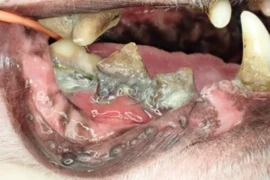
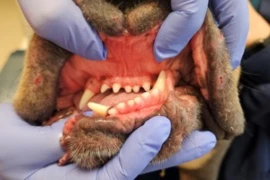
Topics such as gingivostomatitis, juvenile periodontitis, dentigerous cysts, malocclusions, fractured teeth, and canine chronic ulcerative stomatitis will be discussed.

Learning Objective #1- Recognize what constitutes a normal occlusion and the different classifications of malocclusions.

Learning Objective #2- Describe the differences between juvenile periodontitis and feline chronic gingivostomatitis.

Learning Objective #3- Identify the pathology that can develop if clinically missing teeth are found to be unerupted.

Recorded 15 January 2026

Speaker:

Brenda.jpg

Brenda L. Mulherin. DVM, Diplomate AVDC

Brenda graduated with her Doctor of Veterinary Medicine from Iowa State University. She entered private practice for a few years before returning to teach at Iowa State University College of Veterinary Medicine. 

Dr. Mulherin completed a Dentistry and Oral Surgery Residency with the University of Wisconsin-Madison in 2014. She became a Diplomate of the American Veterinary Dental College in 2015. 

Dr. Mulherin is a Full Clinical Professor at Iowa State University and is charged with small animal dentistry education for veterinary students. Recently, Dr. Mulherin was the editor of a veterinary dental radiology textbook entitled Veterinary Oral Diagnostic Imaging. This book is a compilation of imaging techniques and interpretation for companion animals, including canine, feline and equine species. It also includes information on zoo and exotic animals.

Dr. Mulherin enjoys lecturing and educating general practitioners as well as veterinary students in the art of veterinary dentistry.
Booking information

Duration: 0:58 h
Speaker: Brenda L. Mulherin. DVM, Diplomate AVDC
from 1
54.90 US$
(incl. tax)

You might also be interested in

dental-radiology-a-core-skill-for-practice-the-how-and-the-why-1.jpeg
Norman Johnston
0:42 h

Dental Radiology – A Core Skill for Practice. The How and the Why

Dental radiology is a core skill in SA veterinary practice. The visible part of the tooth (crown) is only around 30% of the total length. The root, comprising 70% of the total, is invisible to a gross examination. Most of the common dental conditions in practice, specifically periodontal or endodontic disease, require diagnostic radiographs to diagnose, prognose and establish a treatment plan. Periodontal disease is one of tooth attachment loss whereas endodontic disease is one of toxin leakage through the root apex. In addition, Feline Tooth Resorption lesions (Feline TR) require radiographs to differentiate those teeth that need conventional extraction from those that need crown amputation. Missing teeth are common and need to proven to be so radiographically. A tooth is not missing until the radiographs says so. Teeth not visible can be impacted or embedded in the jaw. In most cases these are painful and need surgical attention. This webinar is designed to show participants how and why dental radiographs are so important to the veterinarian performing routine dentistry in a practice setting. What lies beneath? You will soon find out!
peritoneal-dialysis-1.jpeg
Alexa Bersenas
0:47 h

Peritoneal dialysis

Peritoneal dialysis (PD) remains a viable treatment for patients with acute renal failure, particularly in the face of oliguria or anuria when renal recovery is deemed possible. This presentation will focus on the indications for initiating peritoneal dialysis (PD), and the practical application of providing peritoneal dialysis in hospital. Veterinary clinics have many of the supplies necessary to provide PD to patients. This lecture will focus on the equipment and supplies needed for PD, as well as catheter selection and placement. A procedural overview will follow including how to initiate dialysis, how to alter the prescription and clinical expectations. A review of monitoring for the dialysis patient as well as potential complications will follow. The presentation will address the support staff necessary and time commitment involved. Participants should understand the principles of PD, and have an understanding of how to perform dialysis on completion of the lecture.
Image 15.10 300x200 (1).jpg
Kayoko Kuroda
1:08 h

Step-by-Step - How to Perform Professional Periodontal Therapy for Nurses

This webinar will discuss what is involved in periodontal therapy, including instruments and equipment used, as well as homecare advice for maintaining periodontal health.