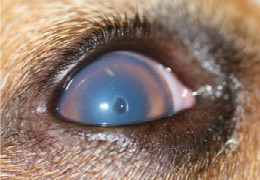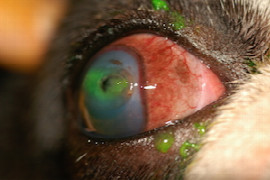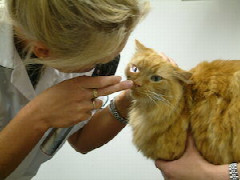
Are you 100% confident with your ophthalmic examination? Are you getting the most from your ophthalmoscope? If the answers are not ‘yes100%’ then you need to listen to this Webinar. Sally will guide you through her approach to examining dogs and cats ,eyes sharing tips along the way, so that by the end of the lecture you will be fully confident with your ophthalmic cases – and even will be able to ‘see what the Specialist can see!’.
Language: English
In case you have missed this webinar, you have the opportunity to watch a recorded version here.
This webinar qualifies for one (1) hour of continuing education.
Speaker:
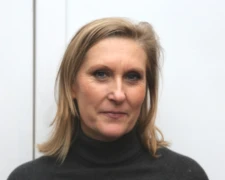
Sally Turner
Sally M Turner MA VetMB DVOphthal MRCVS RCVS Specialist in Veterinary Ophthalmology
Sally Turner qualified from the University of Cambridge in 1991. She spent 2 years in small animal practice before taking up a Residency in Comparative Ophthalmology as GDBA Fellow at the Animal Health Trust, Newmarket. She gained her Certificate in Ophthalmology in 1994 and then the Diploma in 1997. She is an RCVS Recognised Specialist in Veterinary Ophthalmology and currently works in London in private referral practice. In addition to providing a full ophthalmology referral service for client’s pets she is also a member of the BVA/KC/ISDS Eye Testing Panel which provides a screening service for inherited ocular disease in dogs prior to breeding. She has been on the RCVS Ophthalmology Board and has acted as an RCVS Examiner for both Certificate and Diploma examinations as well as examiner for the European School of Veterinary Postgraduate Studies (ESVPS) and for the BSAVA modular Certificate in Ophthalmology. Sally regularly lectures to veterinary surgeons and nurses, both in the UK and abroad. She is the author of two books on veterinary ophthalmology. She is interested in all aspects of clinical ophthalmology, especially surgical conditions and inherited ophthalmic disease.
Booking information
Duration:
0:45 h
Speaker:
Sally Turner
from 1
54.90 US$
(incl. tax)