Webinars & e-learning courses Intermediate All webinars

Wrangling the Wild - Effective restraint techniques for reptilian patients

<span>Wrangling the Wild - Effective restraint techniques for reptilian patients</span>

This session will cover both manual handling and chemical restraint approaches, with a focus on minimising stress and ensuring safety for both the animal and the handler. We will discuss how to identify appropriate restraint strategies based on the reptile’s species, size, temperament, and presenting condition. We’ll explore practical tools and positioning methods for turtles, lizards, and snakes, and discuss common techniques and monitoring considerations for chemical restraint.

Recorded 10. September 2025

Speaker:

Samantha Clutterbuck.jpg

Samantha Clutterbuck

Samantha Clutterbuck, CertIV VN Dip.VN Zoological and exotic sp.

Sam is a qualified veterinary nurse with over 21 years of experience across general practice, ICU, emergency, exotics-only clinics, wildlife hospitals, and zoo hospitals. She is the founder of Exotic Vet Nurse Training, providing specialised education and onsite training to general practices and zoos throughout Australia. Passionate about advancing exotic and wildlife nursing, she is excited to be discussing her favorite species group-reptiles!

Booking information

Duration: 0:48 h
Speaker: Samantha Clutterbuck
from 1
54.90 US$
(incl. tax)
You might also be interested in

approaches-to-rabbit-gastrointestinal-stasis-syndrome-1.jpeg
Kim Le
1:15 h

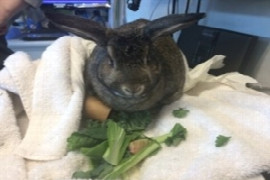
Approaches to Rabbit Gastrointestinal Stasis Syndrome

Introduction on how to recognise, diagnose, manage and understand the common conditions in clinical practice that lead to rabbit gastrointestinal stasis syndrome.
300x200.jpg
Claire Sharp
1:03 h

Snake envenomation in Australia: The current state of play

Snake envenomation is a common reason for presentation of dogs and cats to Australian veterinary clinics, yet diagnosis and treatment continue to be challenging in some cases. Fortunately there has been an explosion of veterinary research in recent years, providing us with more evidence than ever to guide our patient management. 
common-conditions-of-geriatric-rats-and-mice.jpeg
Brendan Carmel
0:50 h

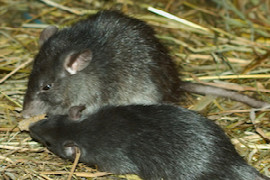
Common Conditions of Geriatric Rats and Mice

This webinar with provide an overview of common geriatric diseases of rats and mice. Conditions such as renal disease, chronic respiratory disease and pituitary neoplasia will be discussed. The webinar will focus on a practical approach: how to diagnose, treat or control geriatric rodent diseases. Palliative care and euthanasia techniques will also be reviewed.