Canine Paediatrics and the Neonatal Period

Canine Paediatrics and the Neonatal Period

Altavoz:

Xavier.png

Xavier Schneider

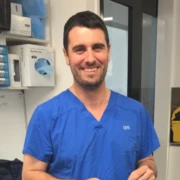
Dr. Xavier Schneider BIT BLM(hons) BVSc(hons) MANZCVS (Animal Reproduction) DipACT

Xavier graduated as a veterinarian from the University of Queensland and began his veterinary career working in mixed practice in Northern Australia focusing on Equine and Bovine Reproduction. On returning to Brisbane, he completed an internship in Equine surgery, medicine and reproduction at The University of Queensland. Xavier has currently completed a residency program in Theriogenology (Animal Reproduction) with the American College of Theriogenologists at Queensland Veterinary Specialists and The University of Queensland. Xavier is a member of the Australian and New Zealand College of Veterinary Scientists, a Diplomate of the American College of Theriogenologists and a board certified specialist in Theriogenology (Reproduction).

Información de reservas

Duracion: 1:02 h
Altavoz: Xavier Schneider
desde 1
54,90 US$
(Con impuestos)

Usted también puede estar interesado en

a8d6d600_problem-300x200-1 (1).webp
Cat Walker, AMDRAS, RVN, Cert IV VN, BA(Hons) (International Studies), LLB, Grad Dip (Legal Practice)
1:02 h

Conflict is a Dish Best Served Cold

Most people associate conflict with stress, anger, and anxiety, when it is actually a normal process that is neither good nor bad. Presented by Cat Walker 


Laminitis_300x200.png
Andrew Fiske-Jackson
1:00 h

Managing acute and chronic laminitis

This presentation by Andy Fiske-Jackson reviews the pathophysiology, diagnosis, and management of both acute and chronic laminitis, with emphasis on endocrinopathic laminitis as the most common form.
Stifle_300x200.png
Andrew Fiske-Jackson
1:00 h

Imaging of the stifle - radiography and ultrasound

This presentation by Andy Fiske-Jackson reviews the pathophysiology, diagnosis, and management of both acute and chronic laminitis, with emphasis on endocrinopathic laminitis as the most common form.