Webinars & cursos e-learning Todos los seminarios web

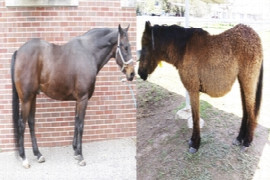
Insights into Equine Metabolic Syndrome - EMS and Equine Cushings - PPID

Insights into Equine Metabolic Syndrome - EMS and Equine Cushings - PPID

Altavoz:

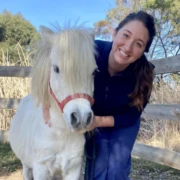
Cristina Rosales (002).jpeg

Cristina Rosales

DVM, BVSc (Hons), MVS, MVSc (Clinical), FANZCVS (Eq Med)

Cristina graduated in 2011 from the University of Melbourne and commenced an internship at Ballarat Veterinary Practice. Following this she worked as a medicine registrar at the Veterinary Clinical Centre, Charles Sturt University, Wagga Wagga. She subsequently undertook an equine medicine residency at the U-Vet Equine Centre, Werribee. During her residency she was awarded Memberships in Equine Medicine and completed her Masters project investigating the inflammatory pathways involved in placental detachment in the mare. Since completing her residency Cristina has worked in both private and referral practice in the UK and Australia, and became a Fellow of the ANZCVS in June 2021. Her special interest is equine neonatology, as well as neonate & adult critical care, gastrointestinal disorders, endocrine disease and placental abnormalities.

Información de reservas

Duracion: 0:48 h
Altavoz: Cristina Rosales
desde 1
57,60 US$
(Con impuestos)
Usted también puede estar interesado en

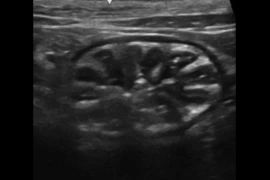
E_26_09_09_Beyond_the_Belly_Gastrointestinal_Ultrasound_in_Dogs_and_Cats_image_300x200.png
Thorsten Rick
0:59 h

Beyond the Belly: Gastrointestinal Ultrasound in Dogs and Cats

Explore practical GI ultrasound in dogs and cats, from normal anatomy to challenging pathological findings with Dr. Thorsten Rick.
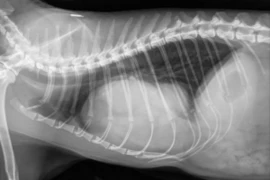
EN_27_01_13_EN_27_01_13_Reading thoracic radiographs of the dog and cat_300x200.png
13.01.2027 (UTC)
19:00 - 20:00 (UTC)

Reading thoracic radiographs of the dog and cat: how to go about?

In this webinar, Pete Mantis provides a practical, structured approach to interpreting canine and feline thoracic radiographs with greater confidence. Learn a systematic reading technique, review normal thoracic anatomy, and gain practical rules of thumb to identify abnormalities and avoid missing important findings.