Webinars & cursos e-learning Expertenwissen / Advanced Todos los seminarios web

Mitral valve repair surgery: what is important to know from a primary care standpoint?

Mitral valve repair surgery: what is important to know from a primary care standpoint?

Degenerative/myxomatous mitral valve disease is the most common heart disease in dogs. Progression of the disease varies amongst individuals however, if heart failure is reached, median survival time remains less than 1 year with medical intervention alone.

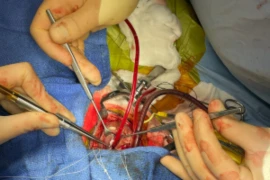
In humans the gold standard treatment is mitral valve repair (MVR), or replacement in select cases. MVR is an increasingly recognised treatment modality in dogs and is now recognised in the latest ACVIM guidelines.

It is important that owners and veterinarians are aware of all treatment options when making decisions on individual pet care and an understanding of this option for this common heart disease is therefore important. This webinar will outline the condition and optimal patient selection, the steps of the surgery and aftercare to gain a broad understanding of the process and results and expectations afterwards, with a particular focus on information most relevant to a primary care setting.

Language: English

 more Information how online webinars work 

2 hours according to § 10(2) of the ATF Statutes as mandatory continuing education for ATF members.
ATF hours are recognized by the ÖTK as educational hours.
Recognition according to the guidelines of the Society of Swiss Veterinarians is possible.

The accreditation of CE Points is approved under the condition of a positive completion of the test in the specified period and is valid from November 19, 2025 - November 19, 2026

Altavoz:

25_08_20_Mitral valve repair surgery- what is important to know from a primary care standpoint?_200x200_Speaker.png

Poppy Bristow

BVetMed, MVetMed, PGCertVetEd, FHEA, DipECVS, MRCVS, ECVS and RCVS, Recognised Specialist in Small Animal Surgery (Soft Tissue)
Poppy completed an ECVS residency in 2014 and moved to the University of Pennsylvania as a Lecturer in Surgery. She became an ECVS diploma holder in 2015, and moved back to the UK in 2016. She worked in a private referral hospital alongside helping to set up the RVC’s heart surgery programme. She undertook a further 2 year fellowship whilst there and then spent three years at DWR, Cambridge, UK setting up a new heart surgery programme. Poppy is now working on setting up an independent heart hospital, focusing on pioneering techniques with passion driven, individualised patient care.

Información de reservas

Duracion: 1:00 h
Altavoz: Poppy Bristow
desde 1
57,60 US$
(Con impuestos)

Usted también puede estar interesado en

EN_27_01_13_EN_27_01_13_Reading thoracic radiographs of the dog and cat_300x200.png
13.01.2027 (UTC)
19:00 - 20:00 (UTC)

Reading thoracic radiographs of the dog and cat: how to go about?

In this webinar, Pete Mantis provides a practical, structured approach to interpreting canine and feline thoracic radiographs with greater confidence. Learn a systematic reading technique, review normal thoracic anatomy, and gain practical rules of thumb to identify abnormalities and avoid missing important findings.
Kona 300x200.jpg
11.11.2026 (UTC)
09:00 - 10:00 (UTC)

An Update on Cognitive Dysfunction in Dogs

This lecture with Claudia Richter provides an overview of the recently published guidelines for the diagnosis and monitoring of canine cognitive dysfunction syndrome
E_26_09_17_Understanding exotic species blood sampling, parameters and complications_300x200.png
Hayley Ayers
0:55 h

Understanding exotic species blood sampling, parameters and complications

Understanding exotic species blood sampling, parameters and complications
How much blood and where from? RVN's guide to sampling and analysing blood samples from exotic species presented by Hayley Ayers.