Webinars & cursos e-learning Todos los seminarios web

The rational use of hormones in the pregnant mare

The rational use of hormones in the pregnant mare

A practical approach to the indications and execution of hormone therapy for the prevention of pregnancy loss in mares.

Language: English

In case you have missed this webinar, you have the opportunity to watch a recorded version here.

Altavoz:

IMG_3162_01.JPG

Dietrich Volkmann

DVM

Raised in Namibia, Volkmann studied veterinary medicine and specialized in Theriogenology in South Africa.  He pursued a clinical teaching career, first in South Africa and then in the USA where he has held academic positions as Chief of Theriogenology at Cornell University, the University of Pennsylvania and now at the University of Missouri. He describes himself as a comparative theriogenologist, always seeking to support clinical interventions with a thorough understanding of reproductive physiology.

Información de reservas

Duracion: 1:08 h
Altavoz: Dietrich Volkmann
desde 1
57,60 US$
(Con impuestos)
Usted también puede estar interesado en

E_26_10_07_Feline quality of life _Supporting the owner and the patient_300x200.png
Kelly Eyre
1:00 h

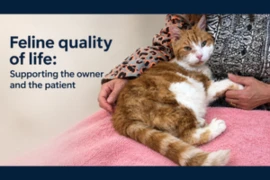
Feline quality of life: Supporting the owner and the patient

How can we support quality of life when a patient’s needs change? Join Kelly Eyre to explore palliative care, quality-of-life assessment and compassionate caregiver communication, with a particular focus on feline patients.
E_26_09_09_Beyond_the_Belly_Gastrointestinal_Ultrasound_in_Dogs_and_Cats_image_300x200.png
Thorsten Rick
0:59 h

Beyond the Belly: Gastrointestinal Ultrasound in Dogs and Cats

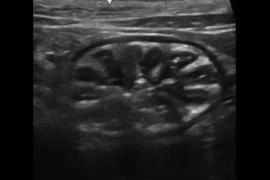
Explore practical GI ultrasound in dogs and cats, from normal anatomy to challenging pathological findings with Dr. Thorsten Rick.
E_26_12_09_Liquid Biopsy in Companion Animals_Pic2_300x200.png
09.12.2026 (UTC)
19:00 - 20:00 (UTC)

Liquid Biopsy in Companion Animals: What is currrent and what is on the Horizon

Liquid Biopsy is a minimally invasive technique to detect cancer early in dogs and cats, or to make a diagnosis. It may also be used to monitor therapy or to investigate potential relapse.