
Webinaires & e-learning Tous les webinaires

Oxygen Therapy

Oxygen Therapy
Oxygen Therapy

Intervenant(e):

82ne2i2fn2fkip3kov538jkvb3wau900.jpg

Chloe Fay

BSc(Hons), RVN, CertVN, ECC, VTS (ECC)

Chloe qualified as a veterinary nurse in 2012, gained her Vets Now ECC certificate in 2016, and her VTS (ECC) in 2018. She has a strong background in ECC and referral nursing. She is currently the head of the Priory Emergency Treatment Service (OOH) in Brighton (UK), who also provide cardio-respiratory and internal medicine referral services.
Chloe is also on the review board for the RCVS ‘inFOCUS’ veterinary journal and is involved in peer reviewing material for the Australian College of Veterinary Nursing’s ECC certificate. She is highly experienced and passionate about all aspects of emergency and critical care nursing, but her specific interests include critical care patients including renal and septic patients, and cardio-respiratory patients.

Informations de réservation

Durée: 0:40 h
Intervenant(e): Chloe Fay
à partir de 1
57,60 US$
(TTC)
Vous pourriez aussi être intéressé(e) par

E_2026_03_11_Fluid Therapy – Where Does It Go and Why_300x200.png
Courtney Scales
0:58 h

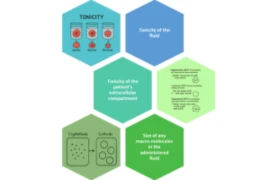
Fluid Therapy – Where Does It Go and Why?

Fluid therapy is one of the most common treatments in veterinary medicine, yet it is often overlooked as a drug. Courtney Scales will talk about how different fluids are chosen for specific reasons, and inappropriate use can have consequences.
21.04.26 Image 300x200.jpg
Courtney Scales
0:48 h

Pre-anaesthetic Assessment of the Small Animal Patient for Nurses

When we perform a thorough clinical evaluation, we can provide safer anaesthesia to our patients.A webinar presented by Courtney Scales 


E_25_06_05_Exploring the critical role of surgical nursing in patient recovery_300x200.png
Flick Caldwell
0:57 h

Exploring the critical role of surgical nursing in patient recovery

Throughout this lecture, we will explore with Flick Caldwell the vital role of the surgical nursing team in monitoring critical patients throughout the postoperative period.