
Webinaires & e-learning Tous les webinaires

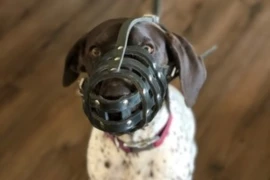
Restraint and Handling Difficult Patients

Restraint and Handling Difficult Patients

Intervenant(e):

Megan Brashear 2020 (002).jpeg

Megan Brashear

Megan Brashear, BS, CVT, VTS (ECC)

Megan graduated in 2000 with a BS in in Veterinary Technology. She has worked in emergency and critical care since 2000 earning her veterinary technician credentials in 2000 and in 2004 became a Veterinary Technician Specialist in Emergency and Critical Care. Megan currently works as the Small Animal Nursing Manager at the Purdue University Veterinary Teaching Hospital in West Lafayette, Indiana, where she enjoys working with technician supervisors as well as teaching and training technicians and students on the hospital floor. She loves the opportunity to travel and lecture sharing her knowledge with veterinary technicians and nurses around the world.

Informations de réservation

Durée: 0:51 h
Intervenant(e): Megan Brashear
à partir de 1
54,90 US$
(TTC)

Vous pourriez aussi être intéressé(e) par

image 25.03 (1) w logo.png
Isabelle Resch
0:55 h

Considering all species for our stress-free clinic approach

When working in small animal practice today, we encounter many different species, both prey and predator. Join Dr Isabelle Resch as she discusses the physical and emotional welfare of all species… 
image_28.06_300x200_SFP.jpeg
Jacqui Ley
1:15 h

Behavioural Euthanasia - Indications and Support

Mental health is distressing and debilitating for some patients. Sometimes, for the veterinary patient's welfare, euthanasia is warranted. Knowing when and how to approach this makes this upsetting procedure easier for everyone. 
27.03 Image 300x200 (1) w logo.png
Dr Liam Clay, B. App. Sc. (Vet tech) VTS (Behavior) B. App. Sc.(Hons)
0:57 h

From Shelter to Home - Veterinary Guidance for Newly Adopted Pets

The transition from a shelter or rescue environment to a home can be overwhelming for newly adopted pets. Veterinary professionals are uniquely positioned to guide adopters through this adjustment! By Dr Liam Clay