
Webinare Fortgeschritten Alle Webinare

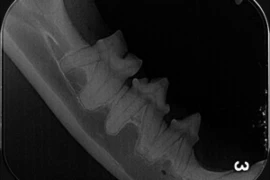
All about Dental Radiology for Vet Nurses

All about Dental Radiology for Vet Nurses

Referent:In

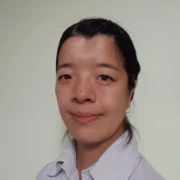
Dr Kayoko Kuroda Profile Picture.jpg

Kayoko Kuroda

DVM, BVSc, MANZCVS, Small Animal Dentistry and Oral Surgery

Dr Kayoko Kuroda graduated from the University of Queensland with a Bachelor of Veterinary Science in 2006. Since completing her degree, she has pursued her twin passions of teaching and clinical practice while working in small animal general practice around Queensland. She obtained Membership in the Australian and New Zealand College of Veterinary Scientists (ANZCVS) in Small Animal Dentistry and Oral Surgery in 2018. Dr Kuroda is currently working as a consultant at North Coast Veterinary Specialist & Referral Centre (NCVS) in Sunshine Coast, QLD and roving veterinary dentistry referral practice, Mobile Pet Dentistry, as well as a small animal general practice a few days a week in northern Brisbane, managing complex and advanced dentistry. Dr Kuroda has also been working as an educator and providing small animal dentistry lectures and workshops across Australia, including Sydney University Centre for Veterinary Education (CVE).

Buchungsinfo

Dauer: 0:59 h
Referent:In Kayoko Kuroda
ab 1
54,90 US$
(inkl. USt.)

Das könnte Sie auch interessieren

Image 19.07 300x200 new.jpg
14.07.2026 (UTC)
10:00 - 11:00 (UTC)
WSAVA_300x200.png
07.05.2026 (UTC)
18:00 - 19:00 (UTC)

WSAVA Reproduction Control Guidelines: Surgical and Non-Surgical Methods for Sterilization in Cats

Traditional spaying and neutering results in sterilization and eliminates the risk of future reproductive health problems but there are some health trade-offs. For this reason, some cat owners prefer non-surgical sterilization options.
MSD.png
Cindy Willheim
1:00 h

Aktuelle Bedrohung durch Ektoparasiten in Deutschland und Österreich sowie Modalitäten des innovativen Parasitenschutzes

In diesem Webinar zeigt Cindy Lea Willheim, dass Ektoparasiten wie Flöhe und Zecken in Deutschland und Österreich durch klimatische Veränderungen ganzjährig eine zunehmende Bedrohung darstellen. Ein effektiver Parasitenschutz erfordert daher kontinuierliche und konsequente Maßnahmen.