Webinare & E-Learning Kurse Alle Webinare

Canine Paediatrics and the Neonatal Period

Canine Paediatrics and the Neonatal Period

Referent:In

Xavier.png

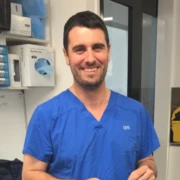
Xavier Schneider

DVM, BIT, BLM(hons), BVSc(hons), MANZCVS (Animal Reproduction), DipACT

Xavier graduated as a veterinarian from the University of Queensland and began his veterinary career working in mixed practice in Northern Australia focusing on Equine and Bovine Reproduction. On returning to Brisbane, he completed an internship in Equine surgery, medicine and reproduction at The University of Queensland. Xavier has currently completed a residency program in Theriogenology (Animal Reproduction) with the American College of Theriogenologists at Queensland Veterinary Specialists and The University of Queensland. Xavier is a member of the Australian and New Zealand College of Veterinary Scientists, a Diplomate of the American College of Theriogenologists and a board certified specialist in Theriogenology (Reproduction).
Buchungsinfo

Dauer: 1:02 h
Referent:In Xavier Schneider
ab 1
57,60 US$
(inkl. USt.)

Das könnte Sie auch interessieren

3473 300x200.png
14.10.2026 (UTC)
09:00 - 10:00 (UTC)

Lyte It Up - Rapid Electrolyte Insights for Critical Decisions

Join Melissa Shoard as she covers the Highs and Lows of eletrolytes and how to treat them.
E_26_09_17_Understanding exotic species blood sampling, parameters and complications_300x200.png
Hayley Ayers
0:55 h

Understanding exotic species blood sampling, parameters and complications

Understanding exotic species blood sampling, parameters and complications
How much blood and where from? RVN's guide to sampling and analysing blood samples from exotic species presented by Hayley Ayers. 
EN_27_01_13_EN_27_01_13_Reading thoracic radiographs of the dog and cat_300x200.png
13.01.2027 (UTC)
19:00 - 20:00 (UTC)

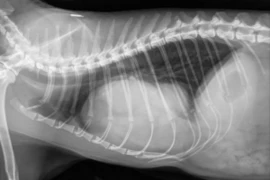
Reading thoracic radiographs of the dog and cat: how to go about?

In this webinar, Pete Mantis provides a practical, structured approach to interpreting canine and feline thoracic radiographs with greater confidence. Learn a systematic reading technique, review normal thoracic anatomy, and gain practical rules of thumb to identify abnormalities and avoid missing important findings.