

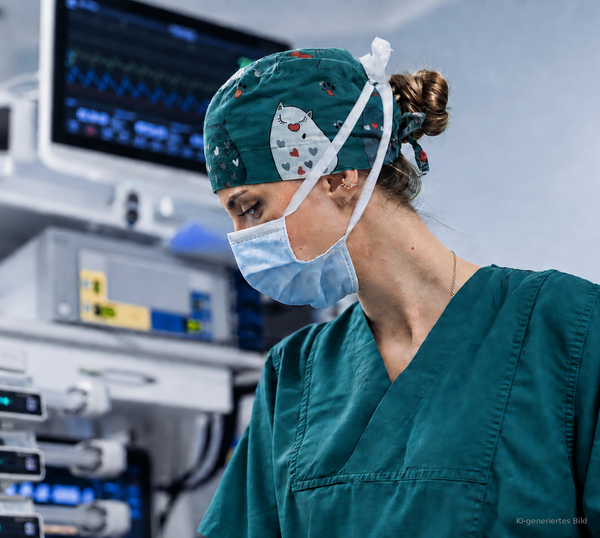
Anaesthesia and pain management CPD for everyday cases
Veterinary anaesthesia continuing education covers patient assessment, drug selection, monitoring, pain management and recovery. Developing these skills supports patient safety by helping us recognise complications and adapt care to individual circumstances.
Revisit physiology and pharmacology, connect drug effects with clinical observations, or explore more demanding cases. Anaesthesia overlaps with emergency care, cardiology and internal medicine. Understanding those connections helps when several medical conditions affect the same patient.
Online learning can support your RCVS CPD when it meets your professional learning needs and you record and reflect on it. Choose a question from practice, then consider what the learning changes.
Interactive coursework and case-based modules let us work through decisions and compare approaches. Hands-on labs add supervised practice and feedback, particularly for airway management and regional blocks. Together, these formats connect clinical reasoning with practical skills.
Find your next veterinary anaesthesia course
Continuing education options range from individual webinars and structured online courses to practical workshops and full certificate programmes. At vet-webinar, start with your clinical question: each course page describes its subject, level and format.
Check the language, learning objectives and course-specific accreditation. RACE-approved continuing education is recognised by many North American licensing boards, but acceptance and restrictions vary. UK vets should follow RCVS CPD requirements.
Specialist training is a separate commitment.
Specialist training is a separate commitment. The American College of Veterinary Anesthesia and Analgesia (ACVAA) residency comprises three years of intensive training. Completing a CPD course or certificate programme does not itself confer specialist status.
Endoscopy anaesthesia
Mechanical Ventilation - when?
Total i.v. Anaesthesia - Where are we
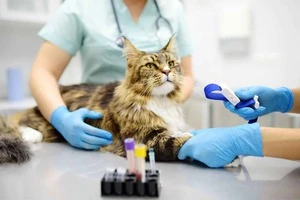
Pre-anaesthetic Assessment
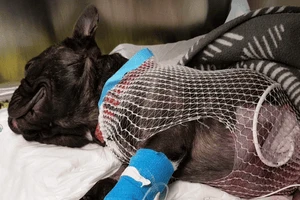
Respiratory distress
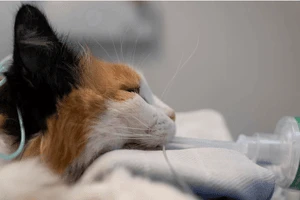
How to Capnographs?
Stay curious, question familiar routines
“We’ve always done it this way” is understandable. During a busy operating list, we rely on familiar routines. They deserve another look when the patient’s response does not match our expectations.
Our aim is to help colleagues explore options and understand the reasoning behind them. Sometimes the useful change is small: a clearer handover, a better equipment check or an earlier request for help.

Keep learning with Flatrate Gold
Some questions need one webinar. Others need a return to the basics or a closer look at another discipline. A dog with cardiac disease rarely fits neatly into one subject area.
Flatrate Gold gives access to webinars, webinar bundles and e-learning courses. You can follow an anaesthesia topic further and revisit related aspects of veterinary medicine as new cases raise new questions.
Questions from the anaesthetic room
Veterinary anesthesia: keeping the balance
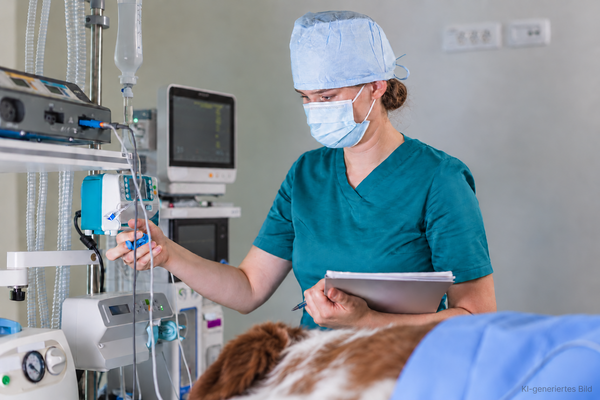
The depth needed for a procedure, analgesia, muscle relaxation and physiological stability interact. Balanced anaesthesia combines approaches to achieve the required effects while limiting reliance on any single drug.
A combination is not automatically safer. Each component has consequences for the body, and requirements can change in a short time. The healthy young dog having elective surgery needs the same attentive process as a more obviously vulnerable patient.
Surgical stimulation, positioning and procedure length can change what the patient needs. Share any revised plan explicitly with the colleague monitoring.
Preparation and individual anaesthetic risk
History, examination, current medication and previous anaesthetic problems shape the plan. Further investigations should address relevant questions about risk. Age alone tells us less than physiological reserve, disease and the demands of the proposed procedure.
Ask about prescribed treatment, supplements and anything the owner has given at home. Kidney disease, infection and other medical conditions may affect preparation and recovery. Discuss the balance between stabilising the patient and delaying necessary care.
Reduce stress through calm handling and prepared workspaces. Tailor fasting advice, check the oxygen supply and breathing system, and plan intravenous access, warming and emergency support. Agree who will monitor and how they will obtain help.
Different types of anaesthesia and anaesthetic drugs
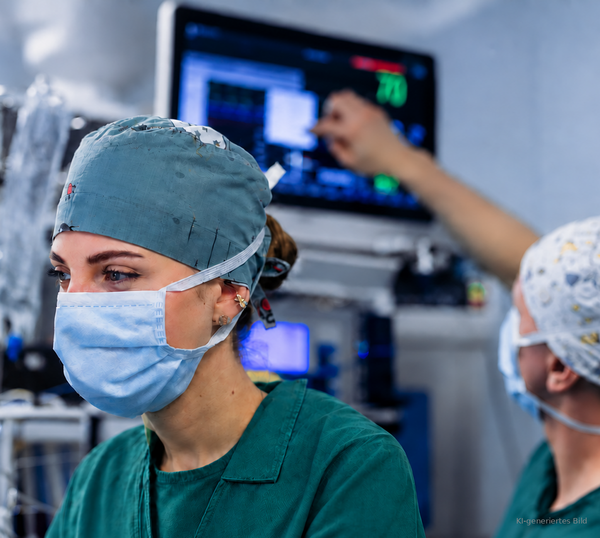
Injectable agents can be used for induction and, in selected protocols, maintenance. Inhalational anaesthesia with agents such as isoflurane offers another approach. Both need suitable monitoring and an analgesic plan; an inhalant alone does not provide adequate perioperative pain relief.
Opioids, alpha-2 agonists and local anaesthetics have different roles. Ketamine is a dissociative anaesthetic used in combination protocols. Morphine, for example, provides analgesia but can also cause adverse effects, including vomiting. Selection depends on the patient, procedure and intended effect, with monitoring for unwanted responses.
Think beyond onset and duration. How might cardiovascular effects interact with disease? What changes when additional injections are needed? A familiar medicine still needs a reason for use.
Monitoring, airways and ventilation
General anaesthesia is needed for many surgical procedures and often for diagnostic procedures such as endoscopy. Whether planning dentistry or other procedures, assess the airway before induction. Confirm tube placement, maintain patency and have a workable response to difficult intubation or obstruction.
Pain medicine: how pain affects our patients
Animals experience pain differently, and behaviour varies with species, temperament and context. A quiet cat may still be painful. Changes in posture, movement, grooming, appetite or interaction deserve attention, particularly when owners describe a change in mood.
Nociceptive signals travel through peripheral nerves and the spinal cord to the brain. Persistent pain can involve altered processing, so chronic pain may outlast the original injury. Joint injuries, osteoarthritis and painful skin disease require assessment beyond the immediate lesion.
Diagnosis and pain assessment answer related but different questions. Use validated, species-appropriate tools where available, alongside examination and history. Pain levels need repeated assessment. Owner observations and home videos can reveal changes that a brief consultation misses and help distinguish improvement from simple sedation.
How we manage pain before and after surgery
Multimodal analgesia combines interventions with different actions. Opioids are commonly used for perioperative pain. NSAIDs can reduce inflammation and pain in suitable patients; contraindications, concurrent medicines and hydration must inform the prescription.
Local anaesthetics block sodium channels and interrupt nerve conduction. A regional technique can reduce pain and systemic analgesic requirements, but needs appropriate training, dose calculation and monitoring. Plan rescue analgesia before it is needed.
Managing chronic pain beyond surgery
For chronic problems, treatment may include veterinary rehabilitation, weight management and changes at home. Supporting muscles and movement can benefit function, while excessive restriction or poorly timed exercise may make matters worse. Rest should have a purpose and a review point.
Agree realistic goals with owners: comfortable sleep, easier movement or willingness to interact. Adjust therapy as tissues heal or disease progresses. The aim is a patient who can cope better with daily life, with follow-up that checks both benefit and adverse effects.
Ask what the owner can realistically manage at home. Discussing medication and exercise restrictions can lead to better follow-through and more useful observations.
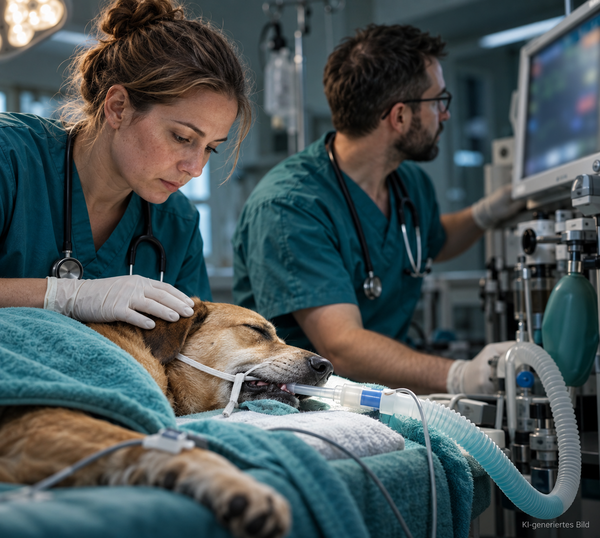
Complications and anaesthetic emergencies
Even a carefully planned procedure can take an unexpected turn.
The key steps are to:
- Recognise changes early.
- Check monitor readings against the patient’s clinical condition.
- Systematically narrow down possible causes.
- Set priorities and take appropriate action.
- Seek support promptly when needed.
- Assess the response to each intervention.
Clear procedures and good team coordination help maintain an overview under pressure and guide the next steps.
Recovery and postoperative care
Anaesthetic care continues after the vaporiser is turned off. Airway protection, ventilation, circulation, temperature and comfort still need attention, including after extubation. Monitoring should match the patient’s condition and continue through a stable recovery.
A useful handover includes drugs and timings, complications, pain assessments and the plan for further analgesia. Make responsibility explicit when the patient moves between the operating area, recovery and wards.
Before discharge, explain medication, feeding, activity and warning signs in language the owner can use. Pain relief, wound care and sensible lifestyle adjustments may all contribute. State whom to contact if recovery stalls or symptoms worsen.
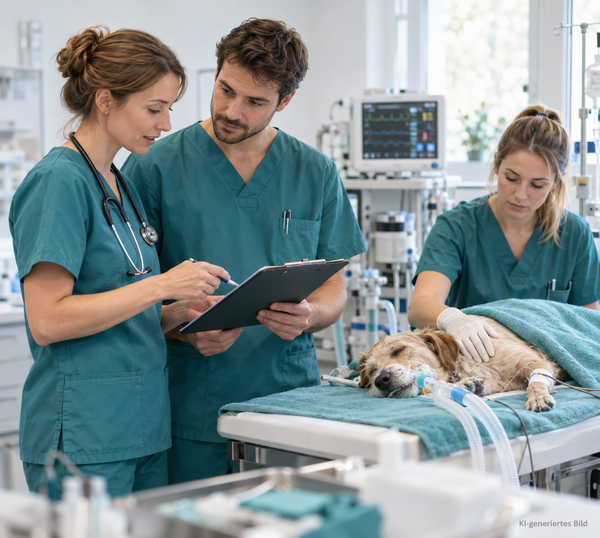
Working with veterinary nurses and anesthesia technicians
Trained veterinary nurses and anesthesia technicians support patient safety through preparation, monitoring and early recognition of change. In North America, veterinary technicians seeking specialist credentials need targeted continuing education and documented clinical experience. Titles, responsibilities and supervision requirements vary between jurisdictions.
Before induction, agree who is monitoring, who can change the plan and when concerns must be escalated.
Review challenging cases together. What did we notice? What was unclear? Which change is practical before the next list? The discussion should help colleagues speak up and improve care.
Clinical trials, guidelines and external links
Clinical trials can inform treatment, but ask whether the species, patient population, outcomes and follow-up resemble your cases. A change in a physiological measurement does not necessarily establish better recovery or lasting comfort.
The Association of Veterinary Anaesthetists provides safety resources and anaesthetic records. The AAHA anaesthesia guidelines and pain management guidelines offer further reading. Apply recommendations to your patients, current evidence and local practice requirements.
Professional societies also offer conferences, structured education and opportunities to discuss cases with colleagues. Annual veterinary anaesthesia meetings provide a forum for reviewing new research and exchanging practical experience.
Keep learning from each patient
Bring a case, revisit the reasoning and choose a change you can assess in practice. Our anaesthesia webinars and e-learning courses offer a place to start.