
Webinars All webinars

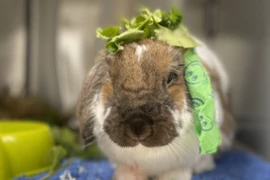
Approaches to Rabbit Gastrointestinal Stasis Syndrome

Approaches to Rabbit Gastrointestinal Stasis Syndrome

Introduction on how to recognise, diagnose, manage and understand the common conditions in clinical practice that lead to rabbit gastrointestinal stasis syndrome.

Recording from 7 August 2019

Speaker:
7ba4a50d-6e28-4782-9b55-60b3315d0fad.jpg
Kim_Le_145x145.jpg

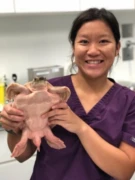
Kim Le

BVSc, BSc(Vet)(HonsI), MVS

I am a veterinarian who graduated from the University of Sydney in 2010 and have been working 6 years exclusively with companion exotic species across four countries including USA, Canada, Hong Kong and Australia. I have a strong interest in minimally-invasive surgery, endoscopy and advanced imaging in order to provide novel and unique solutions to patient care. In my spare time I love to mountain bike, hike and SCUBA dive. 

Booking information

Duration: 1:15 h
Speaker: Kim Le
from 1
Free
You might also be interested in

300x200.jpg
Claire Sharp
1:03 h

Snake envenomation in Australia: The current state of play

Snake envenomation is a common reason for presentation of dogs and cats to Australian veterinary clinics, yet diagnosis and treatment continue to be challenging in some cases. Fortunately there has been an explosion of veterinary research in recent years, providing us with more evidence than ever to guide our patient management. 
Image 23.08 300x200.png
Joanne Sheen
0:53 h

Don't Worry, Be Hoppy! - Nursing the Exotic Mammal Patient

This webinar will cover the basics of nursing rabbits, ferrets and guinea pigs. This will include husbandry, diet, safe handling skills and tips for clinical examination and hospitalisation.
scrambled-or-poached-urogenital-disease-in-pet-birds.jpeg
Pat Macwhirter
0:49 h

Scrambled or poached? Urogenital Disease in Pet Birds

Birds’ urogenital organs reflect their ‘flying dinosaur’ ancestry with reptilian features (such as egg laying and urecotelic waste disposal) being adapted to ‘lighten the load’ and facilitate flight. Understanding such unique features helps to make sense of urogenital disease in avian patients and aids diagnosis and treatment of everyday clinic issues such as egg binding, abnormal egg formation, egg yolk related peritonitis, cloacal disorders, urolithiasis and gout.