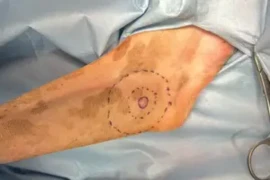

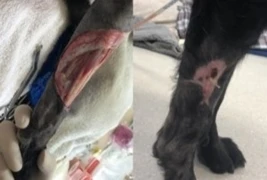
Tumors of the skin and subcutaneous tissues are the most common malignancies in dogs and cats accounting for over 30-40% of tumors in dogs and 29% in cats. Surgery is typically the first line treatment for most cutaneous and subcutaneous malignancies, and the phrase ‘a chance to cut is a chance to cure’ is certainly accurate with respect to many tumors.
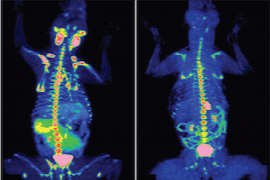
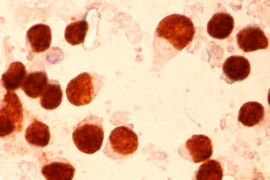
Mast cell tumors and soft tissue sarcomas are the two most common skin malignancies in dogs whereas they are the third and fourth most common skin malignancies in cats (behind squamous cell carcinoma and basal cell tumors). This presentation will focus on mast cell tumors and soft tissue sarcomas in both species (squamous cell carcinomas and basal cell tumors will not be covered). The presentation will cover biologic behaviour of these tumors, considerations for staging and work-up, and treatment options with a focus on surgery, but discussion on adjuvant and alternative treatment methods will also be covered.
Recording from 30 June 2021
Speaker:

Stephanie Colthurst
Dr Stephanie Colthurst - Surgery BVSc. (James Cook)
Stephanie is a small animal surgeon at Veterinary Specialist Services in Brisbane (Australia). She has worked in referral practice for 9 years. Following graduation from James Cook University in 2014, she completed a 12-month rotating internship at Veterinary Specialist Services followed by a second internship at Southpaws in Melbourne (Australia) in 2016 before enrolling into a surgical residency at Southpaws through the European College of Veterinary Surgeons (ECVS).
Stephanie successfully passed her memberships of the Australian and New Zealand College of Veterinary Scientists in Small Animal Surgery in 2018 and has just successfully passed her ECVS board examinations in February 2023 on her first attempt.
Stephanie returned to Veterinary Specialist Services in 2021. Whilst she enjoys all aspects of surgery, her particular interests are in soft tissue and oncologic surgery. She is passionate about keeping up to date with advances in veterinary research, so that she can strive to provide the best possible care for each patient and their owner.