
Webinars Intermediate All webinars

How much is too much: PU/PD in dogs and cats

How much is too much: PU/PD in dogs and cats

This webinar is for nurses who want to learn and understand what PU/PD in dogs and cats means, which organ systems are most likely involved, which diagnostic steps would be indicated, what would be the most likely differentials and what can be done. This webinar is indicated for all levels.

Recording from 02.04.2024

Speaker:
E_24_04_02_Mitze_Foto_200x200.jpg

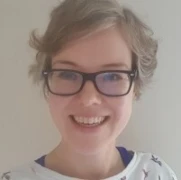
Stefanie Mitze

DVM, DipECVIM-CA Internal, Medicine MRCVS

Stefanie graduated in 2010 from the University of Szent István in Budapest. Originally from Germany, she started working in several referral centres including the University of Munich in Germany. She then decided to start a residency program in small animal internal medicine in a private clinic near Munich. Stefanie has lived in the UK since 2018 and is currently based in London and is working as a global specialist consultant.

Stefanie loves all aspects of internal medicine and she is passionate about helping to ensure specialist consults are easily accessible to everyone. She is very keen in offering a practical approach to veterinary problems. In her free time, she is singing in a choir and she is a keen sportswoman and participates in national and international martial art competitions.
Booking information

Duration: 0:57 h
Speaker: Stefanie Mitze
from 1
54.90 US$
(incl. tax)

You might also be interested in

special-needs-of-geriatric-patients-for-nurses-1.jpeg
Mathilde Granger
0:49 h

Special Needs of Geriatric Patients (for Nurses)

In recent years, small animal veterinary medicine has known major improvements in knowledge and quality of care, following the progress of human medicine. Our pet population is aging, revealing some conditions previously poorly recognised. Thus veterinary professionals are faced with new challenges. We need to study how our pets are aging, which structures are affected, and what physiological and pathological mechanisms are at play. Interestingly, dogs and cats, because they live alongside their owner, share the same environment, but have a shorter lifespan, can be good models for some human conditions such as Alzheimer’s disease, obesity and osteoarthritis. Pet owners are keen to look after their pets for as long as possible, with a major emphasis on maintaining a good quality of life and avoiding pain. We will discuss how we can be with them every step of the way, to provide support and guidance, in all aspects of old age management: pain management, preventative treatments, environmental adaptations, nutritional support and so on. Because looking after our aging pets can give us an insight into how we, as humans, age. So that we all age well, together.
Image 26.03 300x200 (1).jpg
Cert IV TAE, RVN, AVN, DipVN (ECC), RN, BSc, Biological and Biomedical
0:45 h

Glyc-What - Explaining the Fundamental Role of the Endothelial Glycocalyx for Nurses

Revisiting a little bit of anatomy and physiology to gain an understanding in how this dynamic microstructure has become an important consideration when delivering IVFT to our patients. 
 
03.03.26 Image 300x200 (1).jpg
Emma Holder
0:49 h

Running on empty - Nursing care for the anaemic patient

In this session Emma Holder will focus on the comprehensive management of anaemic patients, including early detection, appropriate nursing care, and pharmacological treatment strategies