

Webinars All webinars

Noise: Its Physiological and Behavioural Effects in Veterinary Patients

Noise: Its Physiological and Behavioural Effects in Veterinary Patients

Understand how sound influences your patients' behaviour in a variety of contexts. Learn about neurotypical vs atypical response and what this means. Understand factors to consider when treating noise sensitive and reactive patients to help improve their long-term welfare, client compliance in treatment plans and human-animal bond. Case-examples illustrating problem-solving diagnostics and patient-focussed treatment plans.

This webinar is sponsored by Stress Free Pets 

Speaker:
Bronwen.jpg

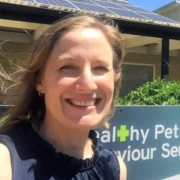
Bronwen Bollaert

DVM, BVSc, MSc, MANZCVS (Veterinary Behaviour)

Dr Bronwen completed her undergraduate veterinary training at Onderstepoort, University of Pretoria, in South Africa. Over several years she worked in small animal private practice, the Johannesburg SPCA and the Johannesburg Zoological Gardens. During her time at the JHB Zoo, Bronwen also undertook research into infectious disease in African Buffalo and completed her Master of Veterinary Science Degree by dissertation. In 2008 Dr Bronwen emigrated to Australia and returned to small animal practice whilst building additional skills in Veterinary Behaviour. Since then, Dr Bronwen has become a Member of the Veterinary Behaviour Chapter of the Australian and New Zealand College of Veterinary Science, has been the ANZCVS Science Week convenor and is the current President-elect for the Chapter. Dr Bronwen advises on an Expert Advisory Panel developing gold standard training curricula for dog trainers. Dr Bronwen owns and runs Healthy Pet Behaviour Services, providing behavioural medicine services to the Greater Brisbane area, and Healthy Pet Mobile Vet, a GP house call service in Brisbane’s North. She is actively involved in promoting awareness of mental health in animals and is excited to be able to play a part in educating clients, colleagues and the greater community about this fascinating field.


Booking information

Date 06.08.2026 (UTC)
Time 10:00 - 11:00 (UTC)
Speaker: Bronwen Bollaert
from 1
54.90 US$
(inkl. tax)

Partner

Sfp-logo-1.jpg

You might also be interested in

Image 11.06 (1) (1).jpg
Stephanie Grath
1:06 h

Bite Less, Wag More – Stress-Free Handling for Reactive Dogs, at Home and in the Clinic

In the webinar with Stephanie Grath, you will learn practical ideas to use immediately in the clinic or grooming salon, including strategies to make handling safer and calmer for both - dogs and humans.


image (1) (1).jpg
Bronwen Bollaert
1:04 h

That's too loud - Handling tips for pets with noise aversions

How can we help pets with noise aversions manage handling better? with Dr Bronwen Bollaert


the-five-secrets-of-successful-in-practice-puppy-groups-that-no-one-else-will-tell-you-for-nurses-1.jpeg
Sarah Whitehead
0:50 h

The five secrets of successful in-practice puppy groups (that no one else will tell you!) (for nurses)

In theory, running puppy socialisation groups or 'puppy classes' in practice is a great idea! After all, you want your clients' pups to grow up sociable with people and other dogs, and be confident in the surgery environment. However, in the past few years, increasing concern about some specific canine behaviour problems means that we need to be incredibly careful when running these sessions - and making sure that we don't cause the very problems we are trying to prevent. Join Sarah Whitehead in a fun and lively webinar to explore this fascinating area of canine behaviour and get some down-to-earth practical tips to make sure that you are offering your clients the very best in behavioural understanding and hands-on sessions in your practice. What you will learn; The importance of starting with the end in mind, why some ‘accepted' exercises are inherently risky, how to get your clients to actually listen to you about their puppy’s care and behaviour, three critical signs of stress that you need to be able to spot in puppies and the hidden dangers of ‘off-lead socialisation’ in your sessions – and what to do instead!