Webinars & e-learning courses All webinars

Top 5 low stress handling techniques for the fearful or aggressive cat (for nurses)

Top 5 low stress handling techniques for the fearful or aggressive cat (for nurses)

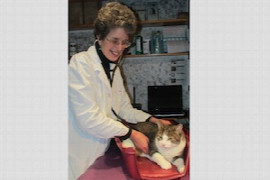
This webinar will present the most commonly used handling techniques to reduce fear, anxiety and stress in general practice. Dr Foote, a general practitioner with a behavior practice, will demonstrate and outline the most commonly used techniques for all feline patients. These techniques are based on the teachings from the text book "Low Stress Handling, Restraint, et al" by the late Dr Sophia Yin. Emphasis will be placed on staff safety as well as patient anxiety reduction. Using these techniques, you will be able to reduce stress and aggression in the majority of your patients and have a solid foundation for a low stress practice.

Recording from 19.07.2017

Speaker:

Sally_Foote_130x130.jpg

Sally Foote

DVM, CFBC-IAABC

Dr. Sally J Foote is owner and head veterinarian of Okaw Veterinary Clinic, Tuscola il.   She has  practiced in general medicine for over 30 years.  After graduating from the University of Illinois in 1984, Dr. Foote pursued a career in general medicine while taking expanded education in small animal behavior.   Certifications include Low Stress Handling Silver Certified, Fear Free professional, and Animal Behavior Consultant by the International Association of Animal Behavior Consultants.  Dr Foote has completed coursework at Purdue University College of Veterinary Medicine in Veterinary Behavior as well as over 100 hours of Veterinary Behavior Continuing Education.   Dr Foote is also currently the President of the American Veterinary Society of Animal Behavior and the Executive Director of CattleDog Publishing, the legacy of Dr Sophia YIn.

Booking information

Duration: 0:54 h
Speaker: Sally Foote
from 1
54.90 US$
(incl. tax)
You might also be interested in

do-your-feline-patients-love-you-and-your-practice-tips-to-improve-the-feline-veterinary-experience-1.png
Margie Scherk
0:57 h

Do your feline patients love you and your practice? Tips to improve the feline veterinary experience

While most cats come into our practices when they are first adopted, many don’t return until they become sick. Why is this? Cats don’t like coming in to the clinic, clients don’t like bringing them in to the clinic and, sometimes, we don’t like seeing them. How can we change this? Understanding why cats get stressed - What is the essence of being a cat? Why do they react the way they do? We will look at the basic inherent need for self-defense in this small predator and how that translates into how they behave. Small changes to make in the practice to make it more friendly for cats - What things in the clinic stimulate the fear response and how can we reduce those triggers? These inputs include smells, sounds, sights, sensations and tastes. Learn how to identify and reduce these stimuli and how to approach and handle these frightened, reactive individuals through empathic caring, rather than through “processing” our patients. Communicating why (and when) they should bring them back: Many clients do not recognize the subtle signs of sickness. Many don’t understand the benefits of preventive care. Often they are concerned about being able to perform the treatments we recommend. We will talk about these critical points of communication and education.
image 12.03.26 (1).png
Isabelle Resch
1:08 h

Considering and recognising pain in our patients. What can we do as a vet nurse

Pain in veterinary patients remains one of the most under-recognised and under-treated conditions in clinical practice. A presentation by Dr Isabelle Resch
-250.jpeg
Kersti Seksel
0:46 h

Feline Behaviour - Do you really know cats and why they do what they do?

Why does my cat do that? Cats are fascinating creatures to live with but sometimes their behaviour intrigues, perplexes and even frustrates owners. In this webinar we will look at ways of increasing your understanding and knowledge of their behaviour.