Webinars & e-learning courses All webinars

Acid/Base, Blood Gas and Why You Should Care (for nurses)

Acid/Base, Blood Gas and Why You Should Care (for nurses)

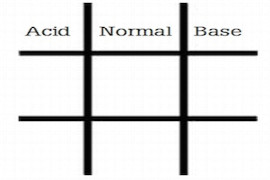
Acid-Base status and blood gas interpretation can be potentially tricky to learn. While there is no escape to memorizing normal values, this webinar will help you to make sense of the acid-base balance in your patients, and the clinical effects those changes can bring. We will also discuss the compensatory mechanisms the body employs in an attempt to keep the pH in the normal range. Also, learn a new technique using tic-tac-toe to quickly interpret blood gas results helping you to identify the primary disorder and if compensation is occurring. A brief discussion of respiratory blood gas interpretation will follow.

Language: English

In case you have missed this webinar, you have the opportunity to watch a recorded version here.

Speaker:

Megan Brashear 2020 (002).jpeg

Megan Brashear

Megan Brashear, BS, CVT, VTS (ECC)
Megan graduated in 2000 with a BS in in Veterinary Technology. She has worked in emergency and critical care since 2000 earning her veterinary technician credentials in 2000 and in 2004 became a Veterinary Technician Specialist in Emergency and Critical Care. Megan currently works as the Small Animal Nursing Manager at the Purdue University Veterinary Teaching Hospital in West Lafayette, Indiana, where she enjoys working with technician supervisors as well as teaching and training technicians and students on the hospital floor. She loves the opportunity to travel and lecture sharing her knowledge with veterinary technicians and nurses around the world.

Booking information

Duration: 0:48 h
Speaker: Megan Brashear
from 1
54.90 US$
(incl. tax)

You might also be interested in

image 060624 300x200 (1).jpg
Rhonda Ponder
1:06 h

Anaesthesia for Broken Hearts 

Heart disease is a common comorbidity in our veterinary patients... but this catchall term includes a wide range of diseases, from valvular disorders to outflow obstructions to classic congestive heart failure. 
IMG_3764 300x200.png
Sara Ho-Le
1:02 h

Is it safe to wait - A practical approach to triage

It is essential that veterinary nurses are able to competently and confidently perform triage assessments on patients and ensure the most emergent are seen first. 
300x200 logo.png
Stefanie Mitze
1:05 h

A 1 to 1 with the respiratory tract: understanding cough and dyspnea and its differentials and more!

In this webinar by Stefanie Mitze we will explore how clinical respiratory symptoms should be understood, what clues we get about the location of a problem and their meaning and differentials.