How to use your monitors to the best of their ability, how to interrupt the information that it is giving you (learn what those funky traces mean) and what cases you should be using the different parameters on. You will also be given tips on how to treat abnormal values, that is, if they really are abnormal, and any contraindications to different monitoring techniques. Different monitoring techniques that will be covered are: ECG, blood pressure (invasive and non-invasive), capnography and pulse oximetry.
Language: English
In case you have missed this webinar, you have the opportunity to watch a recorded version here.
This webinar qualifies for one (1) hour of continuing education.
Speaker:
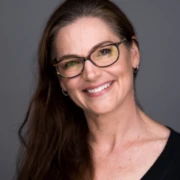
Anita Parkin
Anita Parkin RVN, AVN, Dip (Surgery & ECC), VTS (Anesthesia & Analgesia), CVPP, TAE
Anita has been a veterinary nurse for over 30 years. Working in a general practice for the first 10 years and joining Veterinary Specialist Services (VSS) in 2001. In 2017, VSS opened their 3rd practice to which Anita currently manages.
Anita has kept her Australian qualifications current including her Certificate IV in Vet Nursing, Diploma in Surgery and ECC, and is an Accredited Vet Nurse and a Registered Vet Nurse through the Veterinary Nurses Council of Australia (VNCA).
Anita’s overseas qualifications include obtaining a Certified Veterinary Pain Practitioner (CVPP) in 2012 through the IVAPM (International Veterinary Academy of Pain Management) and Veterinary Technician Specialty in Anaesthesia and Analgesia in 2009 recertified 2015 and 2019 through the Academy of Veterinary Technicians in Anesthesia and Analgesia (AVTAA). She is also the proud recipient of the Steve Haskin’s scholarship award in 2018, and the Vet Nurse of the Year through the VNCA 2022 and the Earl Rippie scholarship award in 2024.
Currently Anita is the President Elect of the AVTAA, is on the VNCA’s board of directors and is also on the VSS conference committee, CPD committee (VNCA), conference committee (VNCA), exam committee (AVTAA) and the is the Chair of the National Industry Advisory Group (NIAG).
In Anita’s spare time, she likes to relax on the couch with her fur babies.