Antimicrobial therapy for skin diseases in companion animals
(incl. tax)
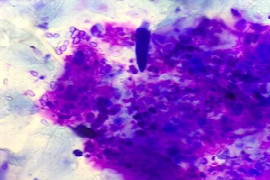
Secondary bacterial and/or yeast infections are common complications of a variety of primary skin diseases in companion animals, including common allergic diseases. Although the importance of addressing secondary infections is recognised, many of the lesions they cause are non-specific and not readily distinguished from primary diseases. Accurate diagnosis of skin infections is reliant on diagnostic testing, and although skin cytology sampling is of greatest importance, superficial sampling techniques are a relatively recent introduction to clinical practice. Thus historically, there has been a tendency to treat skin infections in companion animals based on suspicious clinical lesions and/or odours, or to cover with antimicrobial therapy ‘just in case'. With the increasing development of antimicrobial resistance, questioning the appropriateness of antimicrobial therapy for every patient has become very important. Appropriate use of antimicrobials revolves around two important aspects. Firstly, to only use antibiotics and/or antifungals when they are clearly indicated, which is reliant on accurate diagnostic tools. Secondly, to make appropriate medication choices and direct optimal doses and durations of therapy. This webinar will cover the use of skin cytology for accurate recognition of secondary bacterial and yeast infections, together with evidence-based recommendations on optimal antimicrobial therapies, including topical versus systemic therapies, and challenges of MRSP infections.
Recording from 25.10.2018
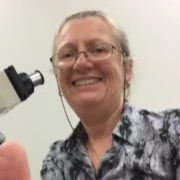
DR Linda Vogelnest BVSC (HONS) MACVSC FACVSC
Linda graduated from the University of Sydney in Australia in 1984 and became a Specialist in Veterinary Dermatology after over 10 years working in general practice, following an initial desire to understand skin disease better and provide improved patient outcomes. She achieved Fellowship of the Australian and New Zealand College of Veterinary Scientists (ANZCVS) in Veterinary Dermatology in 2003 and has worked in both university clinical practice and private referral practice since then. Linda continues to teach dermatology skills to veterinary students, regularly participates in post-graduate dermatology education, and is passionate about promoting a greater understanding of dermatology. Linda’s special interests include atopic dermatitis, otitis, and maximising value of skin sampling techniques, including skin surface and ear cytology.
You might also be interested in

Deadly Doses - Rapid Response to Veterinary Intoxications
A 1 to 1 with the respiratory tract: understanding cough and dyspnea and its differentials and more!