Webinars & e-learning courses All webinars

Canine Dilated Cardiomyopathy

Canine Dilated Cardiomyopathy

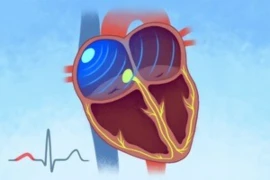
This webinar will discuss the pathophysiology of canine DCM and the common causes, diagnosis and treatment of dilated cardiomyopathy (DCM) in dogs. Nutritional DCM will be discussed as will differentiating degenerative mitral valve disease from DCM in large breed dogs.

Recording from 23.04.2020

Speaker:
Richard_130x130.jpg

Richard Woolley

Richard Woolley BVetMed DipECVIM-CA(Cardiology) MRCVS

Director of CardioRespiratory Pet Referrals, Richard Woolley BVetMed DipECVIM-CA (Cardiology) MRCVS is the only specialist veterinary cardiologist in Victoria, and one of only a handful registered specialist veterinary cardiologists in Australia. Richard has many years of experience in cardiology and respiratory medicine of all animals, from mice to gorillas. He has worked in academia and in private practice, lectured extensively, and his present focus is on specialist cardiorespiratory medicine of dogs and cats.

Booking information

Duration: 1:01 h
Speaker: Richard Woolley
from 1
54.90 US$
(incl. tax)
You might also be interested in

11.12 300x200 (1).png
Lauren Kirby
0:57 h

Reading Between the Lines - The Art of ECG Interpretation for Veterinary Nurses

Electrocardiography (ECG) is an invaluable monitoring and diagnostic tool, but interpreting waveforms can often feel overwhelming—like trying to decipher a secret code! presented by Lauren Kirby
Webp.net-resizeimage (20).png
Chris Linney
0:57 h

Is it just an innocent murmur? Congenital Heart Disease in Puppies and Kittens & Cats (for Nurses)

Heart murmurs in young puppies and kittens are often managed incorrectly. We know that a delay in the diagnosis of congenital heart disease can mean incorrect treatments and cause a major impact on longer term prognosis. This webinar will help guide the veterinary team through the assessment, management and prognosis of commonly encountered congenital heart diseases with plenty of practical tips and tricks for improving your knowledge on the subject. It also aims to give delegates confidence when discussing these congenital conditions with owners and colleagues. Learning Objectives: • How to identify animals that may have congenital heart disease • Understand the most appropriate tests and how to perform these well in young animals • Improve ability to detect and understand the significance of a murmur • Prognosis and treatment options available for the common congenital heart conditions seen
Slow and unsteady image (1).jpg
Andrew Fisher
0:33 h

Slow and unsteady - Understanding bradyarrhythmias for Nurses

In this presentation Andrew Fisher aims to give an overview of bradyarrhythmias for nurses who work in general practice.