Webinars & e-learning courses All webinars

Canine Mast Cell Tumours - What You Need To Know

Canine Mast Cell Tumours - What You Need To Know

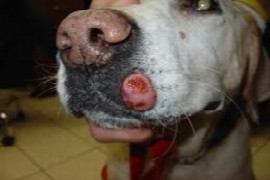
Canine mast cell tumours are commonly encountered in general practice. Management is not always straight forward but can be simplified by a few guiding principles. Join us to review canine mast cell tumours from a practical perspective and discuss what is new in their management.

We will briefly review the diagnosis of these tumours and importance of prognostic indicators as well as the surgical and medical principles of treatment. The focus will be on practical decision making that is relevant to you in general practice. We will also review the basics of administering intravenous chemotherapy agents commonly used to treat mast cell tumours. Finally we will look at options for oral chemotherapy and oral tyrosine kinase inhibitors.

This webinar will better place you for decision making and management of canine mast cell tumours in-house.

Language: English

In case you have missed this webinar, you have the opportunity to watch a recorded version here.

Speaker:

shasta_130x130.jpg

Shasta Lynch

BVSc(hons), MANZCVS(SAM), DipECVIM-CA(Oncology), MRCVS
Shasta is a European and RCVS Specialist in Small Animal Oncology. She received her veterinary degree from the University of Queensland in 2004 and worked in mixed and small animal practice before completing a residency in small animal oncology at the University of Edinburgh and Royal Veterinary College in the United Kingdom. She has worked in private referral practice in the United Kingdom and now works as an online consultant at Ask a Veterinary Oncologist providing specialist advice to veterinarians.

Booking information

Duration: 1:05 h
Speaker: Shasta Lynch
from 1
54.90 US$
(inkl. tax)

You might also be interested in

Picture1a.jpg
Catherine Chan
0:56 h

I think the dog has bone cancer. What's next?

A dog presents to you limping. You take an x-ray and discover an aggressive bone lesion. You suspect a primary bone tumour. What are the differential diagnoses? What next?

As a vet, you will encounter a dog with an aggressive appendicular bone lesion on x-rays. Most dogs will have osteosarcoma, but other types of cancers, benign lesions and infection are possible.


lumbectomies 300x200.png
Barney Dean
1:07 h

Don't Get Stumped by Lumps - Approaching Tricky Lumpectomies 

This webinar will discuss the rationale behind sound investigation and management of tricky mass removals, and how to adapt a plan to suit owner circumstances. 
 
Extravaganza_Website_4Sponsoren.png
Sue Ettinger
2:57 h

LIVE-STREAM: EXCLUSIVE ONCOLOGY VETGRUPPEN CONFERENCE

Revolutionizing Veterinary Oncology – Innovations You Can Use Today! 

Join VetGruppen Germany for an exclusive, cutting-edge event where veterinary oncology meets real-world practice. Discover the latest breakthroughs in cancer detection, treatment, and patient care—designed to elevate your clinic’s oncology expertise.