This webinar will highlight important concepts in the diagnosis of haemostatic and coagulation disorders in small animals. The webinar will begin with a review of haemostasis and coagulation physiology. Following this, we will cover the steps required to diagnose some of the more common hereditary and acquired coagulopathic conditions that can lead to clinical complications in veterinary care. Case examples will be provided. At the end of the webinar, participants should have a greater understanding of the haemostatic and coagulation system, and how to diagnose related disorders more confidently in small animal practice.
This webinar is sponsored by ASAP Laboratory.
Recording from 25.06.2019
Speaker:
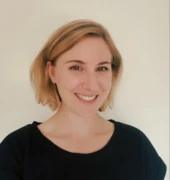
Rebekah Liffman
Rebekah Liffman
Rebekah was born and raised in Melbourne, and apart from a one year stint as an amateur backpacker, has not strayed far. She graduated from the University of Melbourne in 2011, and spent three years working in general practice in the inner suburbs, and one year working as an emergency and critical care veterinarian in a veterinary referral hospital. Her passion for the microscope redirected her to pathology, and she completed a Veterinary Clinical Pathology Residency at the University of Melbourne. She currently works as a clinical pathologist at ASAP labs in Melbourne. She is the proud mother of a sassy little Jack Russell Terrier called ‘Momo’.
Booking information
Duration:
0:43 h
Speaker:
Rebekah Liffman
from 1
54.90 US$
(incl. tax)