Webinars All webinars

Diagnosing a Foreign Body

Diagnosing a Foreign Body

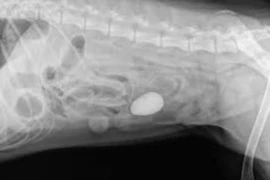
A discussion that shows the vital radiographic signs to look out for when deciding if a foreign body is present and whether to cut or not to cut. This will include real world case studies to help reinforce the teaching points.

Recording from 29 June 2021

Speaker:

Catheryn_Walsh_1x1.jpg

Catheryn Walsh

Dr Catheryn Walsh BSc BVSc (Hons) MANZCVS (Radiology) Grad Cert (Hons) (Abdominal Ultrasound)

Dr Catheryn has worked in general practice for 12 years. She received a membership in diagnostic imaging in 2018, has a special interest in internal medicine, and a graduate certificate in abdominal ultrasound. She is currently undertaking post graduate study in cardiology. She runs her own mobile ultrasound business and analyses radiographs for other vets on a regular basis. 

Booking information

Duration: 0:43 h
Speaker: Catheryn Walsh
from 1
54.90 US$
(incl. tax)
You might also be interested in

E_26_03_10_ Humeral Condylar Fractures_300x200.png
10.03.2026 (UTC)
19:00 - 20:00 (UTC)

Humeral Condylar Fractures

Humeral condylar fractures are unique and challenging fractures. This lecture by Ian Faux will provide an overview with an emphasis on evidence based decision making and practical tips.
Figure-4-web 300x200.png
Lily Hung
1:09 h

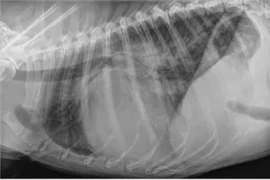
Telltale signs of cardiomegaly and heart failure on radiographs and TFAST

Review and updates on the current literature with top 5 tips to identify cardiomegaly on thoracic radiography. 
endoscopy-of-the-airways-in-dogs-and-cats-3.png
Erika Meler
0:45 h

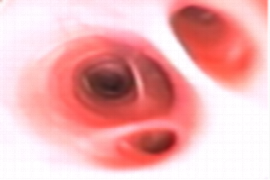
Endoscopy of the airways in dogs and cats

During this presentation you will learn how much information you can get from an endoscopy of the airways, the type of samples that can be collected and the treatments that can be done under endoscopic guidance such as airway stenting. Using endoscopic images, you will travel from the nasal cavity, nasopharynx, larynx to the trachea and down into the bronchi. Images of normal airways and varied pathological states will be shown. The benefits as well as potential complications of the most common procedures will be presented as we explore step-by-step the respiratory tract. Finally we will touch on what tests and treatment trials can be done before referring and discuss when it is time to refer. Any question on this interesting topic will be welcome.