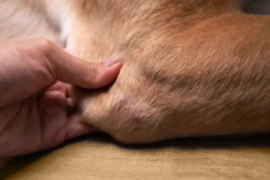
Cranial cruciate disease is one of the most common orthopaedic conditions in dogs and a huge variety of surgical treatment options exist. This webinar reviews the diagnostic and therapeutic approach to the cruciate deficient stifle including surgical and non-surgical treatment options.
Language: English
In case you have missed this webinar, you have the opportunity to watch a recorded version here.
This webinar qualifies for one (1) hour of continuing education.
Speaker:

Hannes Bergmann
DVM, DipECVS, MRCVS
Hannes Bergmann qualified from Vienna University in 2001 and completed an Internship at Hannover University.
After achieving a doctorate degree in perioperative pain therapy and a further year in general practice he started a Residency at Berne University.
He became a Diplomate of the European College of Veterinary Surgeons in 2008.
After achieving a doctorate degree in perioperative pain therapy and a further year in general practice he started a Residency at Berne University.
He became a Diplomate of the European College of Veterinary Surgeons in 2008.
Booking information
Duration:
1:04 h
Speaker:
Hannes Bergmann
from 1
57.60 US$
(inkl. tax)