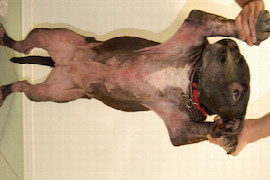
The main steps in diagnosing food allergy in dogs are the exclusion other differential diagnoses, the administration a correct elimination diet for a suitable amount of time and the interpretation of the results of the diet trial. Advanta-ges and disadvantages of other diagnostic tools, such as the intradermal skin test or the serological test, the patch test, the gastroscopic test will be discussed. Useful tips on how to chose the most suitable hypoallergenic diet and how to improve compliance during the diet trial will also be offered.
Language: English
In case you have missed this webinar, you have the opportunity to watch a recorded version here.
This webinar qualifies for one (1) hour of continuing education.
Chiara graduated in veterinary medicine from the University of Milan, Italy, in 1990. After a residency at the Uni-versity of Utrecht, Holland, she obtained the European Diploma in Veterinary Dermatology in 1996. Since then she works as referral dermatologist and dermatopathologist in Northen Italy. Dr. Noli is Past President and Founder Member of the Italian Society of Veterinary Dermatology, Board Member of the European Society of Vet-erinary Dermatology and has been Board Member of the International Society of Veterinary Dermatopathology. She is also currently serving on the Organizing Committee of the next World Congress of Veterinary Dermatology. Dr. Noli is author of four book chapters and of over 60 articles in Italian and international journals, and is co-author of a veterinary dermatology clinical textbook. Her main clinical research interest is the use of non-steroidal antiinflammatory drugs in canine atopic dermatitis and in the feline eosinophilic granuloma complex.