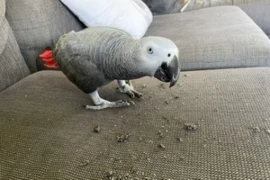
Exotic patients are masters at disguising their illnesses, so by the time they arrive at the clinic they are often in need of emergency care. In this webinar we will cover some of the common presentations of avian, exotic mammal and reptile patients, and what to do when they are in need of urgent veterinary intervention. By understanding analgesia, fluids, warmth and oxygen for these cases we can greatly improve animal welfare and patient outcomes in all veterinary settings.
Speaker:
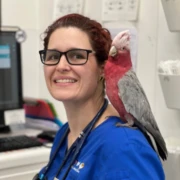
Jaclyn Gatt
DVM, BVSc, MVS (Cons Med), MANZCVS (Unusual Pets)
Jaclyn graduated from Melbourne University in 2010 and worked for almost 5 years in one of Melbourne’s busiest hospitals as a small animal and exotic pet vet. She spent 3 years working in emergency and critical care before opening the Bird & Exotic Animal Clinic with Dr Glynn Lam in 2016.
In 2015 Jaclyn completed a Masters of Veterinary Studies in Conservation Medicine through Murdoch University, covering a wide range of species including those commonly kept as pets, along with zoo animals and wildlife. Jaclyn obtained Memberships in Medicine and Surgery of Unusual Pets in 2019 and sees a large number of primary and referral exotic cases. Her favourite topics include emergency and critical care of exotic pets, rabbit dentistry and soft tissue surgery. She is very excited to be given an opportunity to share her passion for exotics and their unique medical challenges in this webinar.
In 2015 Jaclyn completed a Masters of Veterinary Studies in Conservation Medicine through Murdoch University, covering a wide range of species including those commonly kept as pets, along with zoo animals and wildlife. Jaclyn obtained Memberships in Medicine and Surgery of Unusual Pets in 2019 and sees a large number of primary and referral exotic cases. Her favourite topics include emergency and critical care of exotic pets, rabbit dentistry and soft tissue surgery. She is very excited to be given an opportunity to share her passion for exotics and their unique medical challenges in this webinar.
Booking information
Duration:
0:52 h
Speaker:
Jaclyn Gatt
from 1
54.90 US$
(incl. tax)