Webinars & e-learning courses All webinars

Feline Heartworm Disease (for Nurses)

Feline Heartworm Disease (for Nurses)

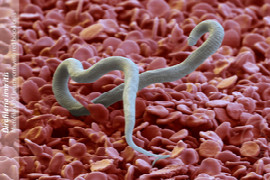
Feline heartworm disease, caused by Dirofilaria immitis worms, is a good example of where a cat is definitely not a small dog. Infection in dogs tends to be better tolerated, the adult worms are more likely to reach patency and diagnosis and treatment are (relatively) easier than in cats. The reasons for these differences, what can be done to ensure cats avoid this infection and measures to take when cats have the infection will be explored in this webinar.

The webinar will also provide an update on heartworm infection in the US, where resistance to heartworm preventives is evolving while researchers seek to understand the factors that led to the genesis of resistance and new solutions, whilst heartworm infection continues to spread.

The implications that climate change may have on the epidemiology of heartworm disease will be explored.

Recording from 19 November 2019

Speaker:

Maggie_Fisher_130x130.jpg

Maggie Fisher

DVM, BVetMed, CBiol, FRSB, MRQA, DipEVPC, MRCVS

Dr Maggie Fisher graduated in 1986 from the Royal Veterinary College and now runs three businesses (a Parasitology Consultancy, a CRO/Laboratory and a Veterinary Project Management Facility). Dr Fisher has been active in the establishment and advancement of a number of animal health associations including WAAVP, EVPC, AVC and ESCCAP.

Booking information

Duration: 0:44 h
Speaker: Maggie Fisher
from 1
54.90 US$
(incl. tax)

You might also be interested in

Webp.net-resizeimage (20).png
Chris Linney
0:57 h

Is it just an innocent murmur? Congenital Heart Disease in Puppies and Kittens & Cats (for Nurses)

Heart murmurs in young puppies and kittens are often managed incorrectly. We know that a delay in the diagnosis of congenital heart disease can mean incorrect treatments and cause a major impact on longer term prognosis. This webinar will help guide the veterinary team through the assessment, management and prognosis of commonly encountered congenital heart diseases with plenty of practical tips and tricks for improving your knowledge on the subject. It also aims to give delegates confidence when discussing these congenital conditions with owners and colleagues. Learning Objectives: • How to identify animals that may have congenital heart disease • Understand the most appropriate tests and how to perform these well in young animals • Improve ability to detect and understand the significance of a murmur • Prognosis and treatment options available for the common congenital heart conditions seen
Slow and unsteady image (1).jpg
Andrew Fisher
0:33 h

Slow and unsteady - Understanding bradyarrhythmias for Nurses

In this presentation Andrew Fisher aims to give an overview of bradyarrhythmias for nurses who work in general practice.
Dyspneoic dog 300x200 (1).jpg
Melanie Hezzell
0:55 h

Unbreak my heart – managing cardiac emergencies

The presentation will focus on the following commonly encountered cardiac emergencies….