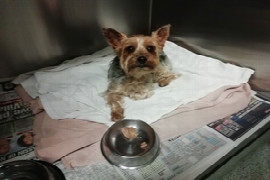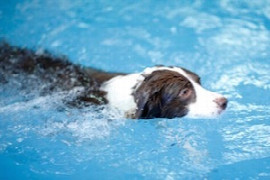
This webinar is designed to provide information on the benefits of hydrotherapy for a variety of different conditions in the small animal patient. In addition, therapeutic properties of water will be discussed, and the application of underwater treadmill therapy for a variety of conditions including cruciate disease, medial patella luxation, hip and elbow dysplasia, arthritis, spinal surgery, FCE, degenerative myelopathy.
In case you have missed this webinar, you have the opportunity to watch a recorded version here.
Speaker:
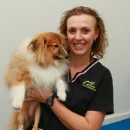
Michelle Monk
BPhysio (Hons), MAnSt (AnimalPhysio), DipMyoTher, APAM
Michelle has been an Animal Physiotherapist for 17 years. After graduating initially as a Human Physiotherapist and Myofascial Trigger Point Therapist, she loved helping people but wanted to take her passion for dogs into her work, so she completed a Masters Degree in Animal Physiotherapy. As one of the great pioneers of the Canine rehabilitation Industry in Australia, she started the first Canine Physiotherapy and Hydrotherapy Centre for dogs in Victoria in 2002. Since then she has helped hundred of thousands of dogs to move better, feel better and for many, she has saved their lives, helping them to walk again.
Since opening the first clinic she has dedicated her time to helping as many dogs as possible have access to quality rehabilitation services through her various rehabilitation clinics and now through her Canine Health & Wellbeing Academy.
She has educated many physiotherapists, vets and nurses in the area of canine physiotherapy, hydrotherapy and remedial massage, both here in Australia and internationally. She believes providing high quality education and mentorship to therapists is paramount if we are to develop a group of therapists who have a high level of skills and knowledge, this ensuring our dogs have access to the best care possible.
Since opening the first clinic she has dedicated her time to helping as many dogs as possible have access to quality rehabilitation services through her various rehabilitation clinics and now through her Canine Health & Wellbeing Academy.
She has educated many physiotherapists, vets and nurses in the area of canine physiotherapy, hydrotherapy and remedial massage, both here in Australia and internationally. She believes providing high quality education and mentorship to therapists is paramount if we are to develop a group of therapists who have a high level of skills and knowledge, this ensuring our dogs have access to the best care possible.
Booking information
Duration:
0:56 h
Speaker:
Michelle Monk
from 1
54.90 US$
(incl. tax)