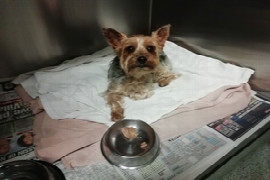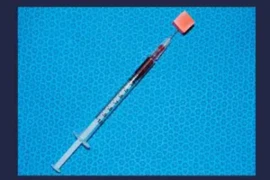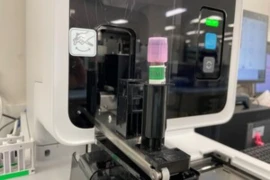
In-house blood testing is regularly performed in veterinary practice. However, in order to assess the results correctly, you must have an understanding of the potential artefacts and interferences which may affect the blood test results including haematology, biochemistry and endocrine testing. It is also important to evaluate any abnormal results in light of clinical context. This webinar will cover some of the more common artefacts and interferences which may affect blood test results as well as illustrating how all results should be interpreted in light of clinical context.
The Australian Veterinary Nurse and Technician (AVNAT) Regulatory Council has allocated (1) AVNAT CPD point to this continuing education activity.
Recording from 23 February 2023
Speaker:

Brett Stone
Dr Brett Stone BVSc (Hons), BBiomedSc (Hons), M.Phil, MACVSc
Prior to commencing BVSc studies, Brett completed a Bachelor of Biomedical Sciences with Class I Honours at James Cook University, North Queensland. Brett graduated as a veterinarian from the University of QLD with Class I Honours in 2001 and worked in mixed animal practice on the outskirts of Brisbane for two years before returning to the University of QLD to undertake an internship/residency funded by QML Vetnostics in veterinary pathology. As a pathology intern Brett also concurrently undertook a research master’s project investigating the colonisation and excretion of E.coli serotype O157 in adult cattle. In 2006, after completing the internship, Brett lectured in clinical pathology at the University of QLD, was a contracted pathologist at QML Vetnostics and attained membership qualifications with the Australian College of Veterinary Scientists in Veterinary Pathology. In 2007-2008, Brett worked as a diagnostic pathologist at Cytopath Ltd in the UK, then returning to QML Vetnostics in 2008. After a brief hiatus, Brett accepted the role of supervising pathologist at Vetnostics in 2014. Brett has extensive experience in cytology and histopathology with special interest in immunohistochemistry and immunocytochemistry. In 2015, Brett successfully passed the American College of Veterinary Pathologist examinations and is a diplomat of the American College of Veterinary Pathologists in Clinical Pathology.