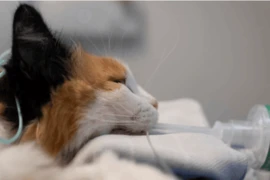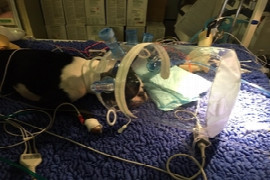
Mechanical ventilation is becoming a common therapeutic tool in veterinary medicine. Mechanical ventilation is often necessary in cases of hypoxic or hypercapnic respiratory failure, shock, coma, or cardiac arrest. In this seminar, we will discuss the mechanics of ventilation, the different ventilatory modes (pressure and volume controlled), their strengths, limitations, similarities and differences, we will also discuss their indications, and we will learn how to set up and adjust the setting for our patients. This seminar is centred around the concept of lung-protection and the open-lung theory.
Finally, we will use a couple of ventilator models as example for the configuration setting up.
This is a dynamic seminar with great and practical videos that will help you understand what is happening in the lungs when we program certain parameters in the ventilator. Finally, we will discuss about the patient weaning from the ventilator and the best strategies to achieve a positive outcome in these patients.
Recording from 06.05.2020
Speaker:
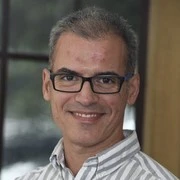

Fernando Martinez-Taboada
Dr Fernando Martinez-Taboada, DVM CertVA DipECVAA MRCVS
Over the years, Fernando has worked as an anaesthesiologist at both private and university teaching hospitals in the UK and Australia (Cambridge University and the University of Sydney), and he was head of anaesthesia and analgesia at various referral hospitals in the UK. He returned in 2017 to the University of Sydney to lead the anaesthesia and analgesia service. His areas of interest are;
• Local anaesthetics: Epidural and spinal anaesthesia, development of novel technical approaches and anaesthetic combinations, electrical and ultrasonographic nerves location, perineural and wound soaking catheters.
• Analgesia in chronic and oncological pain, including interventional pain management.
• Intensive care, especially ventilation (physiology, practical aspects, uses in anaesthesia and ICU, and equipment).