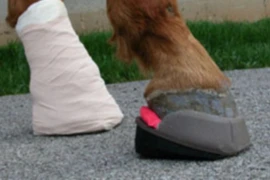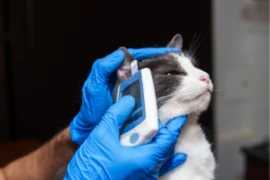
Pain management in dogs and cats has undergone a dramatic evolution in the past decade. As pets live longer, with advances in veterinary medicine chronic pain is becoming an increasingly common presentation. However, our ability to recognise and treat it is still in its infancy. Pain is said to be chronic if it persists beyond the normal healing time of about three months. It is a complex phenomenon and may not be easy to treat, especially with analgesia alone. The role of physiotherapy in managing chronic pain is challenging. Physiotherapy aims to restore function and movement and therefore assist with pain management whilst treating the patient as a whole system rather than a localised painful focus. Owner involvement is key to assessment and treatment. This approach must always be multimodal incorporating several specialists to bring the best benefits.
Australian physiotherapists are highly skilled practitioners who use scientific evidence based research to manage and improve pain. They are the musculoskeletal experts, however they also treat neuropathic pain and neurological conditions.In this webinar we will discuss the signs of chronic pain in small animals, discuss a multi-disciplinary holistic approach to management including therapeutic modalities, manual therapies, exercise therapy and the psychosocial aspects of pain management.
Recording from 19.06.2019
Speaker:

Brooke Williams
Brooke Williams, Physiotherapist specialised in Animal Physiotherapy (BPhty, MAnimSt - Masters Animal Studies - Physiotherapy)
Brooke always strives to provide the best quality of care for all animals, with a great deal of respect for their behaviour and condition, and aims to maximise their quality of life. She prefers to work closely with the owners of the animals to provide daily care and ongoing management, with plenty of advice and support and loves furthering the understanding of Rehabilitation amongst the Veterinary profession.