Webinars & e-learning courses All webinars

The VNs role in prevention of hospital acquired infections

The VNs role in prevention of hospital acquired infections

The VNs role in the prevention of hospital acquired infections

A HAI is classified as an infection that occurs:

  • up to 48 hours after hospital admission
  • up to 3 days after discharge
  • up to 30 days after an operation
  • in a healthcare setting when the patient was admitted for reasons other than an infection

Causes of HAIs
Bacteria, fungus, and viruses can cause HAIs. In human medicine bacteria alone cause about 90% of cases. Patients who are immunocompromised are at increased risk of contracting an infection during hospitalisation.
These microorganisms spread mainly through person-to-patient contact from unclean hands; medical and hospital equipment.
HAIs also increase with excessive or incorrect selection of antibiotics, which can lead to emergence of antibiotic resistance bacteria.

The most common types of HAIs are:

  • Surgical site infections
  • Intravenous catheter and arterial line associated infections
  • Catheter-associated urinary tract infections
  • Pneumonia

Preventing nosocomial infections
A 70% decrease in HAI can be seen when a team is taking steps in prevention and veterinary nurses are well positioned to be at the forefront of infection control within the veterinary practice. In this session we will focus on specific areas where veterinary nurses can have a real impact.

General recommendations could include:

  • Correct kennel selection (is isolation/barrier nursing needed)
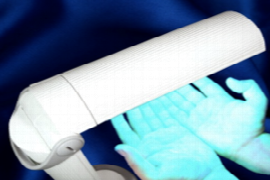
  • Focus on exceptional 5-point hand hygiene
  • The availability and correct use of personal protective equipment
  • Correct cleaning of clinical environments
  • Correct ventilation
  • The use of strict aseptic techniques (IV catheter care, blood sampling, urinary catheter care etc.)
  • Removal of unnecessary indwelling devices as soon as no longer required
  • Provision of high-quality nursing care.

Recording from 16.10.2019

Speaker:

Me_.jpg
Claire_Roberts_200x200.png

Claire Roberts

Claire Roberts RVN Dip AVN(Surg)

Claire has been veterinary nursing for over 20 years. In 2006 she gained the Diploma in Advanced Veterinary Nursing (Surgical) and in 2013 she gained the VN certificate in Emergency and Critical care. Claire successfully passed the post graduate certificate in veterinary anaesthesia and analgesia. Claire works part time as a theatre nurse for a multi-disciplinary referral centre based in Cheshire alongside running her own CPD company called SynergyCPD

Booking information

Duration: 0:49 h
Speaker: Claire Roberts
from 1
54.90 US$
(incl. tax)

You might also be interested in

dog-300x200.jpg
Jackie Campbell
0:49 h

Palliative Care and Bereavement Support – Empowering Nursing Teams to Deliver Best Care

Effective palliative care takes a village. Join Jackie in this session as she breaks down some of the barriers to nurse-led palliative care and empowers nurses everywhere to lean into their end-of-life care skills.
e_22_02_24_image (1).jpg
David Foote
0:49 h

How to Conduct a Debrief Session and How to Look After Staff After Unexpected or Traumatic Outcomes 

Debriefing is an important tool that can help preserve mental health and facilitate processing of difficult events so that their ongoing impact is minimised.


300x200.jpg
Denis Verwilghen
0:58 h

The WHO 5 moments of hand hygiene: a concept applicable in veterinary medicine (for Nurses)

Over the past few decades, the World Health Organisation (WHO) has put increased focus on hand hygiene campaigns under the slogan “Clean Hands – Save Lives” following the global recognition of hand hygiene being a key factor in reducing surgical site (SSI) and other hospital associated infections (HAIs)...