Webinars & e-learning courses All webinars

Basics of Obstetrics

Basics of Obstetrics

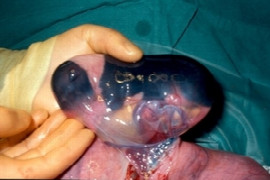
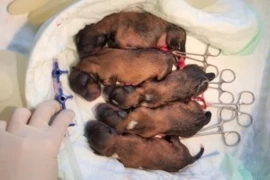
Requests for veterinary obstetrical assistance are becoming more common for clinicians in private practice and cases of dystocia are frequently encountered in emergency clinical settings. The emotional and financial value of stud dogs, breeding bitches and their offspring makes the preventable loss of even one neonate undesirable. It is therefore important for veterinarians to understand the whelping process and the basics of obstetrics. Furthermore, it is pivotal to recognize cases, in which parturition under veterinary supervision, assisted birth or elective c-section should be suggested in order to prevent unnecessary emergencies and to elevate the chances of a successful outcome. The goals of veterinary involvement in canine obstetrics are to increase live births, minimize morbidity and mortality in the dam and promote increased survival of neonates during the first week of life.

The aim of this webinar is to give an overview of the physiology of parturition and provide a systematic approach to the medical and surgical management of canine dystocia.

Recording from 29 September 2020

Speaker:

Nadene Apteker.jpg

Nadine Apteker

Dr. Nadine Apteker

Nadine Apteker is a 2012 graduate of the veterinary medicine programme at LMU Munich. After finishing her studies she obtained a position as assistant at the Division for Obstetrics, Gynaecology and Andrology at the Centre for Artificial Insemination and Embryo Transfer at Vetmeduni Vienna.
After one year of rotating clinical work in the subfield of reproductive medicine in small animals, equine and farm animals, she was accepted into a PhD programme as well as a residency programme by the European College of Animal Reproduction. In 2016 she completed successfully both her PhD and residency and attained her Diploma as veterinary specialist in animal reproduction.
Nadine moved to South Africa in 2017 where she started working for the Cape Animal Fertility Clinic, focusing on equine and canine reproduction. She is passionate about sharing and exchanging knowledge and is actively involved with local welfare organizations and volunteer sterilization programmes.


Booking information

Duration: 1:05 h
Speaker: Nadine Apteker
from 1
54.90 US$
(incl. tax)

You might also be interested in

25-05-image300x200.jpg
Xavier Schneider
1:02 h

Canine Paediatrics and the Neonatal Period

Our understanding of neonatal medicine in the canine is evolving and the science is expanding. With the value of pups rising and breeders wanting to maximise the outcomes of their litters, veterinarians increasingly are being presented with neonates that are compromised and need attention. This webinar explores the neonatal period in the canine and the current medical treatments in canine pediatrics.
21.03 Image 300x200 (1).jpg
Nadine Apteker
0:47 h

Damned if you do damned if you don't - A new perspective on pet desexing

This webinar provides information about the long term health concerns associated with gonadectomy in dogs and cats and offers alternatives to surgical desexing. 
canine-obstetrics-decision-making-when-to-do-a-c-section-1.jpeg
Gary England
1:02 h

Canine obstetrics: decision making when to do a c-section

Primary uterine inertia is the most common cause of dystocia in dogs and when combined with the highly variable pregnancy length (58 to 72 days from mating to whelping) causes significant confusion in managing ‘the overdue bitch’. Appreciating the normal reproductive biology including when and how diagnostic tests should be applied improves clinical decision-making and facilitates improved outcome in cases of potential dystocia.