Diabetic ketoacidosis (DKA) is a complicated and potentially life threatening form of diabetes mellitus that requires emergency care. It is characterised by hyperglycaemia, hyperketonaemia and a metabolic acidosis with significant fluid and electrolyte imbalances. As the patient is unable to transport glucose into cells, the liver synthesizes ketones as emergency energy sources. These ketone bodies when metabolised produce anions of a moderately strong acid. The accumulation of these ketobodies results in metabolic acidosis.
Common symptoms include polydipsia and polyuria, dehydration, anorexia, reduced mentation, vomiting and weight loss.
Fluid therapy and the correction of the electrolyte abnormalities are the most important components of treatment of DKA with approximately 70% of dogs and cats surviving to discharge after hospitalisation. It should be noted that these patients can experience reoccurring episodes of DKA in the future. Nurses and technicians are integral in the treatment, monitoring and recovery of these patients.
Recording from 9 October 2019
Speaker:

Gary Fitzgerald
BVetTech
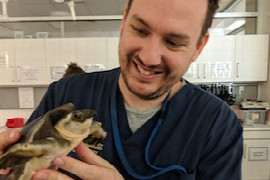
Gary is strong advocate for nurse and technician continuing professional development. He has lectured at national and international conferences and is a RECOVER advanced life support instructor. He also holds committee positions for both the Australian Veterinary Nurse and Technician (AVNAT) registration scheme and the Veterinary Nurse Council of Australia (VNCA) QLD division.
He enjoys all aspects of his job but mentoring staff, training students, small animal anaesthesia and critical care and exotic animal medicine, anaesthesia and surgery are his major passions.