Webinars & e-learning courses All webinars

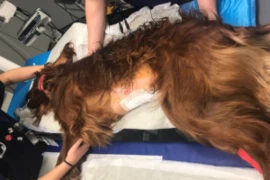
Physical and Chemical Restraint in the Emergency Room (for Nurses)

Physical and Chemical Restraint in the Emergency Room (for Nurses)

Injured, and many ill patients, are painful sometimes it is obvious but others not. History and physical examination upon admission must include assessment, severity and location of pain to avoid these areas during restraint. Extreme caution with a penetrating foreign body is presented. Various procedures are required to treat and diagnose patients presenting on an emergency basis. Procedural analgesia, +/- required anesthesia, is outlined for common situations for patients that are approachable, and others that are aggressive. Included in the lecture are videos identifying early stages of pain behaviour to assist with recognition and management, and patients with opioid-induced dysphoria and reversal. Additional reading notes provide an outline of the benefits of various analgesics and the potential adverse effects each may have. They also contain information on analgesic selection and background information  on reasons for selection and warnings of the various analgesics for each patient category:  pregnant, nursing mothers, neonates and pediatric patients as they can sustain injuries and acquire painful illnesses requiring analgesics. Physiologic importance of managing pain in the neonate, infant, weanling and juvenile patients is also included as pain confers nociceptive pathway changes with a lifelong impact if not treated appropriately.

The Australian Veterinary Nurse and Technician (AVNAT) Regulatory Council has allocated (1) AVNAT CPD point to this continuing education activity. 

Recording from 18 March 2021

Speaker:
Karol1.JPG

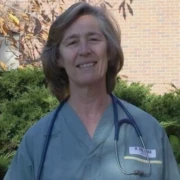
Karol Mathews

Karol A. Mathews, DVM, DVSc, DACVECC

Dr. Karol A. Mathews graduated from the Ontario Veterinary College in 1980, obtained the Doctor of Veterinary Science degree in Small Animal Surgery in 1986 and Board Certification in the American College of Veterinary Emergency and Critical Care (Diplomate ACVECC) in 1993. Dr. Mathews was Service Chief Emergency & Critical Care Medicine, OVC 1989-2009, President of the Veterinary Emergency & Critical Care Society 2002-2004, and Chair of the WSAVA Global Pain Council–Guidelines. She is a recipient of the 1999 CVMA Small Animal Practitioner of the Year Award, the 2002 ACVECC Scientific Achievement Award, the 2002-2004 University of Guelph Presidential Distinguished Professor Award, and the 2009 Ira M Zaslow VECCS Award for Distinguished Service.
Dr. Mathews is a national and international speaker at scientific conferences, is author and co-author of many scientific journal publications and chapter in several veterinary textbooks. She is the editor of the 1st, 2nd & 3rd editions of the Veterinary Emergency and Critical Care Manual, co-editor of Analgesia & Anesthesia for the Ill or Injured Cat and Dog (2018), and guest editor for Veterinary Clinics of North America, Small Animal Practice, July 2000 and November 2008.
Currently, she is an active University of Guelph Professor Emerita.
Booking information

Duration: 0:50 h
Speaker: Karol Mathews
from 1
54.90 US$
(incl. tax)

You might also be interested in

E_2026_03_11_Fluid Therapy – Where Does It Go and Why_300x200.png
Courtney Scales
1:00 h

Fluid Therapy – Where Does It Go and Why?

Fluid therapy is one of the most common treatments in veterinary medicine, yet it is often overlooked as a drug. Courtney Scales will talk about how different fluids are chosen for specific reasons, and inappropriate use can have consequences.
E_25_06_05_Exploring the critical role of surgical nursing in patient recovery_300x200.png
Flick Caldwell
0:57 h

Exploring the critical role of surgical nursing in patient recovery

Throughout this lecture, we will explore with Flick Caldwell the vital role of the surgical nursing team in monitoring critical patients throughout the postoperative period.
E_2026_02_19_Immune-mediated Polyarthritis - When to suspect, what to rule out and what to treat with_300x200-2.png
Craig Breheny
1:00 h

Immune-mediated polyarthritis - when to suspect, what to rule out and what to treat with

Immune-mediated polyarthritis can affect many body systems and prove a diagnostic challenge. With abundant underlying triggers, Craig Breheny will talk about how deciding on a work up plan, and the associated therapeutic interventions can be a challenge.