Webinars & e-learning courses All webinars

Pyometra in Small Animals

Pyometra in Small Animals

With increasing population of dogs being entire for longer, and the desire to treat medically rather than surgically performing an ovariohysterectomy, pyometra in small animal practice is becoming a commonly encountered problem. Here we review the medical and surgical options available for this disease.

Recording from 23 June 2020

Speaker:

Xavier.png

Xavier Schneider

DVM, BIT, BLM(hons), BVSc(hons), MANZCVS (Animal Reproduction), DipACT

Xavier graduated as a veterinarian from the University of Queensland and began his veterinary career working in mixed practice in Northern Australia focusing on Equine and Bovine Reproduction. On returning to Brisbane, he completed an internship in Equine surgery, medicine and reproduction at The University of Queensland. Xavier has currently completed a residency program in Theriogenology (Animal Reproduction) with the American College of Theriogenologists at Queensland Veterinary Specialists and The University of Queensland. Xavier is a member of the Australian and New Zealand College of Veterinary Scientists, a Diplomate of the American College of Theriogenologists and a board certified specialist in Theriogenology (Reproduction).

Booking information

Duration: 1:02 h
Speaker: Xavier Schneider
from 1
57.60 US$
(inkl. tax)

You might also be interested in

Full Bellies Image 400x225 (2).jpg
Nadine Apteker
0:41 h

Full Bellies, Empty Wombs - The Impact of Obesity on Pet Fertility

Nadine Apteker provides an overview of the impact of obesity on fertility in dogs & cats, highlighting effects on reproductive function, litter size, & neonatal survival, with tips to improve breeding success.


canine-obstetrics-decision-making-when-to-do-a-c-section-1.jpeg
Gary England
1:02 h

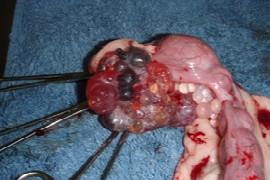
Canine obstetrics: decision making when to do a c-section

Primary uterine inertia is the most common cause of dystocia in dogs and when combined with the highly variable pregnancy length (58 to 72 days from mating to whelping) causes significant confusion in managing ‘the overdue bitch’. Appreciating the normal reproductive biology including when and how diagnostic tests should be applied improves clinical decision-making and facilitates improved outcome in cases of potential dystocia.
25-05-image300x200.jpg
Xavier Schneider
1:02 h

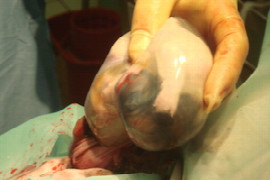
Canine Paediatrics and the Neonatal Period

Our understanding of neonatal medicine in the canine is evolving and the science is expanding. With the value of pups rising and breeders wanting to maximise the outcomes of their litters, veterinarians increasingly are being presented with neonates that are compromised and need attention. This webinar explores the neonatal period in the canine and the current medical treatments in canine pediatrics.