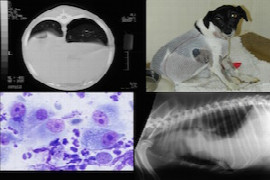
This webinar will provide a refresher on respiratory physiology and pathophysiology for busy veterinary emergency clinicians. A sound understanding of respiratory physiology underlies and facilitates correct diagnosis and management of patients that present in respiratory distress. For example, such understanding enables the clinician to correctly identify and interpret important clues in the physical examination findings of dyspnoeic patients. This often enables localisation of the underlying disease to the pulmonary parenchyma, vasculature, pleural cavity, mediastinum, lower airways or upper airways and helps to guide therapy. Correct interpretation of blood gas parameters and other basic respiratory function test results also clearly hinges upon a sound understanding of respiratory physiology and pathophysiology. Blood gas and clinical responses (or lack thereof) to therapeutic interventions can also be highly informative when interpreted in light of an understanding of the underlying pathophysiology. Managing emergency patients in respiratory distress can be challenging. Having a sound, systematic approach based on a good understanding of physiological and pathophysiological principles helps to increase confidence when managing these cases.
Recording from 11.10.2017
Speaker:

Richard Squires
BVSc (Hons), PhD, DVR, Dip.ACVIM, Dip.ECVIM-CA, GCertEd