Webinars & e-learning courses Intermediate All webinars

Running on empty - Nursing care for the anaemic patient

Running on empty - Nursing care for the anaemic patient

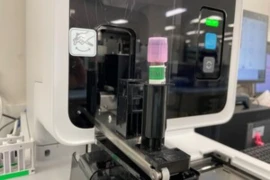
Nurses play a critical role in triaging anaemic patients, monitoring anaemic patients during hospitalization, including watching for signs of decompensation and knowing when to alert the clinician with concerns. We are also integral to transfusion medicine, with a focus on understanding the different blood products available, how to administer them safely, and closely monitoring for transfusion reactions and the necessary treatments.

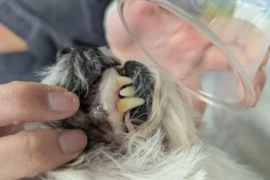
Anaemia can be either primary or secondary, resulting from a range of conditions such as immune-mediated haemolysis, trauma, or reduced red blood cell production. We'll refresh on the role of red blood cells, the clinical signs patients may exhibit, and how these can guide our initial diagnostic approach. The session will cover the differences between acute and chronic anaemia, how to stabilize affected patients, and the medications that can help prevent further red blood cell loss or destruction.

The Australian Veterinary Nurse and Technician (AVNAT) Regulatory Council has allocated (1) AVNAT CPD point to this continuing education activity. 

Recorded 19 March 2026

Speaker:

Emma.jpg

Emma Holder

DipVN, NCert (anaesth), Cert VNECC, RVN

Emma is a veterinary nurse with over 14 years of expertise in referral medicine. She holds a Diploma in Veterinary Nursing from the Royal College of Veterinary Surgeons (RCVS), a Postgraduate Certificate in Anaesthesia, and a Certificate in Emergency and Critical Care. She is currently furthering her professional development by studying for a Certificate in Training and Assessment.

Throughout her career, Emma has gained extensive experience across a range of specialties, including internal medicine, oncology, surgery, and emergency and critical care. She is dual-registered with both the RCVS in the UK and the Veterinary Nurses Council of Australia (VNCA).

Emma is an active contributor to the veterinary nursing community, having delivered presentations at conferences across Australia and provided webinars for both veterinary nurse training providers and private practices.

Booking information

Duration: 0:49 h
Speaker: Emma Holder
from 1
54.90 US$
(inkl. tax)

Partner

New_AVNAT 2026 b.jpg

You might also be interested in

300x200 logo.png
Stefanie Mitze
1:05 h

A 1 to 1 with the respiratory tract: understanding cough and dyspnea and its differentials and more!

In this webinar by Stefanie Mitze we will explore how clinical respiratory symptoms should be understood, what clues we get about the location of a problem and their meaning and differentials.
Image 26.03 300x200 (1).jpg
Cert IV TAE, RVN, AVN, DipVN (ECC), RN, BSc, Biological and Biomedical
0:45 h

Glyc-What - Explaining the Fundamental Role of the Endothelial Glycocalyx for Nurses

Revisiting a little bit of anatomy and physiology to gain an understanding in how this dynamic microstructure has become an important consideration when delivering IVFT to our patients. 
 
help-my-patient-has-arrested-an-introduction-to-cpr-for-nurses.jpeg
Yvonne Van Der Veek
0:47 h

Help, my patient has arrested! An introduction to CPR (for Nurses)

In this webinar we will review the RECOVER ( Reassessment Campaign on Veterinary Resuscitation) guidelines for Cardiopulmonary Resuscitation. In practice CPR is fortunately not often required but when it does occur it can be a stressful event for everyone involved. The aim of this seminar is to leave you feeling more confident when dealing with a situation when your patient has arrested. For the scope of this seminar we will focus on Basic Life Support. Advanced Life Support falls out of the scope of this webinar but will be briefly discussed. You will learn how to recognize and assess cardiopulmonary arrest and how to respond to this appropriately. The principles of Basic Life Support will be covered step by step, both in a single rescue situation and a team situation. This includes chest compressions and discussing chest compression points in different breeds and species, intubation and ventilation. These guidelines will help you deal with any CPR code in your practice.